

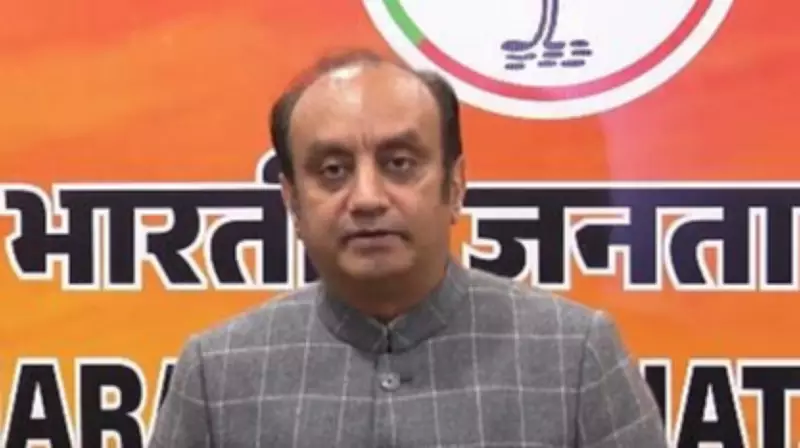
BJP Defends India-US Trade Agreement, Highlights Farmer Safeguards
In a significant political statement, Bharatiya Janata Party (BJP) spokesperson Sudhanshu Trivedi has asserted that the newly established interim framework of the India-US trade deal includes robust provisions to safeguard the interests of Indian farmers. This declaration comes at a time when the trade agreement has sparked a wave of both praise and criticism from various stakeholders across the nation.
Mixed Reactions to the Interim Trade Framework
The interim trade deal, which outlines preliminary terms between India and the United States, has drawn considerable attention for its potential economic impacts. While some experts and industry groups have lauded the framework for promising enhanced market access and boosting bilateral trade, others have raised concerns about its implications for domestic sectors, particularly agriculture.
Trivedi's remarks aim to address these concerns directly, emphasizing that the BJP-led government has prioritized the welfare of farmers in the negotiations. "The interests of our farmers are non-negotiable, and this trade deal reflects that commitment," he stated, underscoring the party's stance on protecting agricultural livelihoods.

Key Provisions for Agricultural Protection
According to Trivedi, the trade framework includes specific clauses designed to shield Indian farmers from adverse effects, such as unfair competition or sudden market shifts. These provisions are part of a broader strategy to ensure that any trade liberalization does not compromise the stability and profitability of the farming community.
The spokesperson highlighted that the deal incorporates measures like tariff adjustments, subsidies, and support mechanisms tailored to Indian agricultural needs. This approach, he argued, balances the goals of expanding international trade with the necessity of maintaining domestic food security and farmer incomes.Political and Economic Context of the Deal
The India-US trade deal has been a focal point in recent diplomatic and economic discussions, with both nations seeking to strengthen ties amid global uncertainties. The interim framework serves as a stepping stone toward a more comprehensive agreement, with negotiations ongoing to finalize details.
Trivedi's defense of the deal aligns with the BJP's broader narrative of promoting economic growth while safeguarding vulnerable sectors. This move is seen as an effort to preempt political backlash and reassure farmers ahead of potential electoral considerations.
Reactions from Critics and Supporters
As Trivedi made his case, reactions to the trade deal have remained polarized. Supporters argue that it will open new opportunities for Indian exports and attract foreign investment, boosting the overall economy. Critics, however, warn of risks such as increased imports affecting local markets and potential challenges to India's policy autonomy.
- Proponents cite potential benefits like technology transfer and job creation.
- Opponents express concerns over long-term impacts on small-scale farmers and rural economies.
The debate underscores the complex interplay between international trade agreements and domestic priorities, with the BJP positioning itself as a mediator that prioritizes national interests.
Looking Ahead: Implications for Future Negotiations
With the interim framework in place, attention now turns to the next phases of negotiation. Trivedi indicated that the BJP will continue to advocate for farmer-friendly terms as the deal evolves, ensuring that any final agreement reflects a balanced approach.
This stance is likely to influence ongoing discussions, as both India and the US navigate the intricacies of trade diplomacy. The outcome could set a precedent for how emerging economies protect their agricultural sectors in global trade pacts.
In summary, Sudhanshu Trivedi's remarks reinforce the BJP's commitment to farmer welfare in the India-US trade deal, amid a backdrop of mixed reactions and ongoing economic deliberations.






