

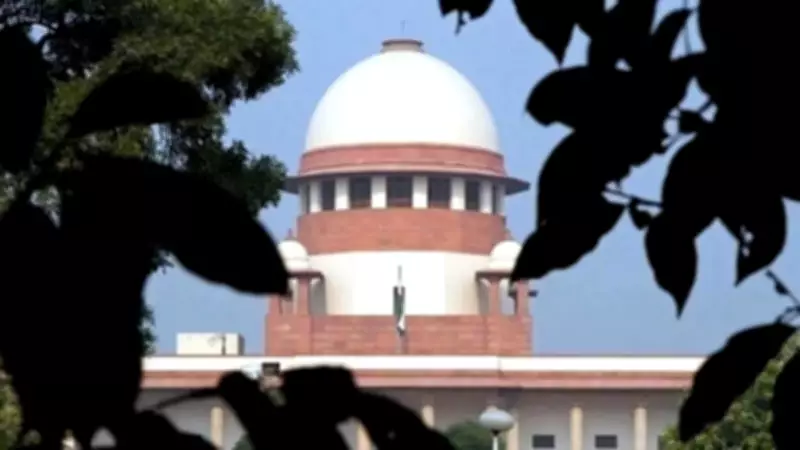
The Supreme Court has issued a notice on a petition challenging the reappointment of Deepak Prakash as a minister in the Bihar government, despite him not being elected to the state legislature. The plea, filed by a social activist, argues that the reappointment violates constitutional principles and the spirit of democracy.
Background of the Case
Deepak Prakash, son of former Union Minister Upendra Kushwaha, was appointed as a minister in the Bihar cabinet even though he is not a member of the Legislative Assembly or Legislative Council. The petitioner contends that such an appointment undermines the democratic process and is against the provisions of the Constitution.
Respondents Named in the Petition
The petition has named the Bihar government, Deepak Prakash, the cabinet secretary, and the Election Commission of India (ECI) as respondents. The Supreme Court has sought their responses within four weeks.

Legal Arguments
The petitioner argues that under Article 164 of the Constitution, a person who is not a member of the legislature can be appointed as a minister but must become a member within six months. In this case, Deepak Prakash has not been elected even after several months of his appointment. The plea claims this is a deliberate attempt to bypass the electoral process.
Previous Instances
There have been similar cases in other states where unelected individuals were appointed as ministers. However, the courts have often emphasized the need to adhere to constitutional timelines and democratic norms.
Next Steps
The Supreme Court will hear the matter after the responses are filed. The outcome could have implications for the appointment of ministers in Bihar and other states.






