

Kentucky Farming Family Stands Firm Against $26 Million Data Center Offer
A multigenerational farming family in northern Kentucky has made a remarkable decision that highlights the growing tension between technological expansion and agricultural preservation across the United States. The Huddleston family has turned down a substantial $26 million offer from an undisclosed Fortune 100 company that sought to purchase approximately 900 acres of their 1,200-acre Mason County farm to construct a large-scale artificial intelligence-linked data center campus.
The Priceless Value of Generational Land
The Huddleston farm, located just outside Maysville city limits, has been cultivated by the family for multiple generations, producing cattle that supply the wider region. This land has endured significant historical periods, including the Great Depression when the family helped sustain local communities through agricultural production. According to family member Delsia Bare, the company approached them in April of last year with the multimillion-dollar proposal.
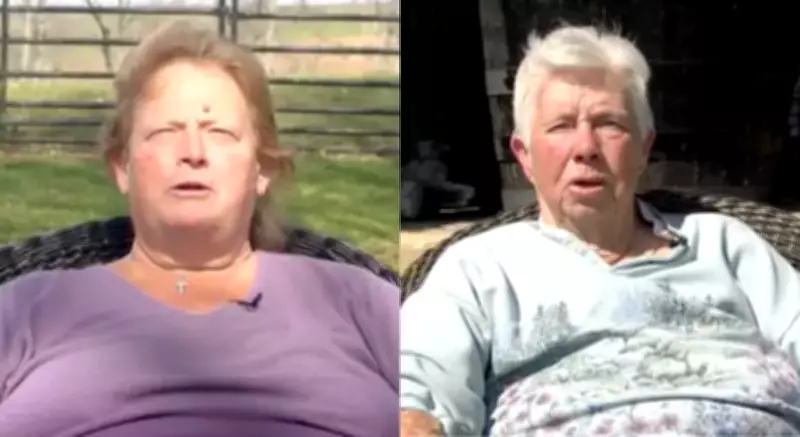
"The heartbreak that it could be gone is the first thing I feel. Literally a pain in the chest right there where the heart's at," Bare told media outlets, expressing the emotional connection to land that has defined her family's identity and livelihood.

Her mother, Ida Huddleston, rejected the proposal without hesitation, declaring the land priceless. "I said, 'No, mine is priceless.' What I've got here, I want to pass it down. What God told me to do was to keep it until I was through with it and then pass it on to the next generation," she explained, emphasizing the spiritual and familial significance of the property.
Economic Potential Versus Agricultural Preservation
The proposed development extends beyond the Huddleston property, involving plans to rezone 28 properties covering more than 2,000 acres total. Maysville City Manager Matt Wallingford described the potential project as "a big deal for us" with significant economic implications.
According to Wallingford, the data center could generate:
- More than 1,000 construction jobs over eight to ten years
- Over 100 permanent positions averaging $100,000 annually
- Infrastructure improvements funded through a state tariff requiring the company to build additional power capacity
Wallingford emphasized that the facility would utilize a closed-loop water system to minimize contamination risks and that its waste output would be comparable to existing large retailers or factories. He also noted that the land would retain value even if its use changed, suggesting that infrastructure could be repurposed for future industrial development.
Environmental and Cultural Concerns
The Huddleston family has raised substantial concerns about the broader implications of such development, including:
- Potential strain on local water systems
- Increased pressure on the regional power grid
- Permanent loss of fertile agricultural land
- Disruption of generational farming traditions
"They call us all stupid farmers, you know, but we're not. We know when our food is disappearing, our land is disappearing," the family stated, highlighting what they perceive as a broader societal undervaluing of agricultural resources.
Personal Connections and Unwavering Resolve
For Ida Huddleston, the decision is deeply personal. Her home on the property was built by her late husband, whose presence she continues to feel in her daily life and farm management. "He's here all the time right with me and tells me what I'm going to have to do with the farm the next day and the next day, just like he would like it to be," she shared, illustrating the emotional bonds that transcend financial considerations.
Both Huddleston and Bare have made clear that no financial offer will alter their position. The family intends to continue resisting the proposed development despite growing pressure from a project that local officials believe could substantially reshape the region's economic landscape.

This standoff represents a microcosm of larger national conversations about land use, technological expansion, and the preservation of agricultural heritage in an increasingly digital economy. As data center development accelerates across the United States to support artificial intelligence and cloud computing infrastructure, similar conflicts between technological progress and traditional land stewardship are likely to emerge in other agricultural regions.





