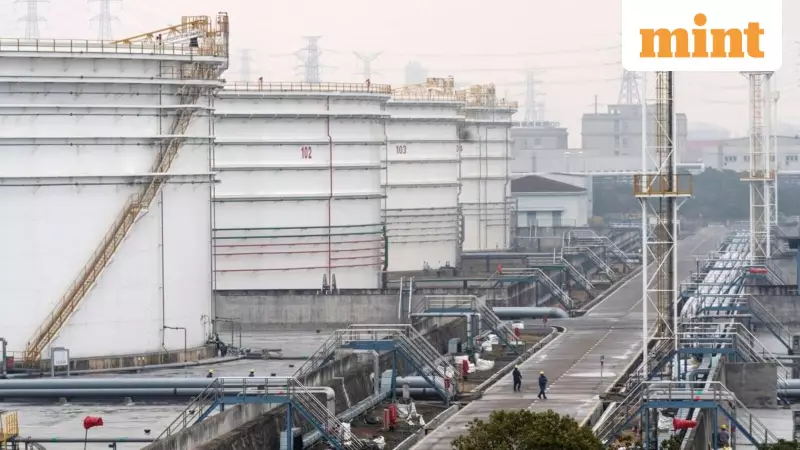
In a significant development for global energy markets, a crude oil tanker chartered by the trading giant Trafigura has set sail from Venezuela directly to the United States. This marks the inaugural shipment under a newly established 50-million-barrel supply agreement between Caracas and Washington, as confirmed by LSEG data and shipping documents.
Historic Departure from Jose Port
The Liberia-flagged vessel Gloria Maris embarked on its journey from Venezuela's Jose port on Sunday, destined for the Louisiana Offshore Oil Port (LOOP). It is carrying approximately one million barrels of Venezuela's Merey heavy crude, representing the first direct cargo from Venezuelan shores to a U.S. port since the bilateral deal was finalized earlier this month.
Expanding Trade Under U.S. Licenses
This month, major trading houses Vitol and Trafigura were granted the first U.S. licenses to load and export Venezuelan crude as part of this strategic arrangement. Initially, shipments were directed to storage terminals in the Caribbean, where the oil was marketed and sold to refiners across the globe. The direct route to the U.S. signifies a deepening of trade relations and operational efficiency under the new framework.

Additional Shipments and Volumes
Simultaneously, a smaller tanker named Volans, flying the Barbados flag, also departed from Jose port on Sunday. It is transporting around 450,000 barrels of Venezuelan crude to the Bullen Bay terminal in Curacao, according to LSEG data. Cumulatively, traders have shipped between 10 million and 11 million barrels of Venezuelan oil under this supply deal so far, based on comprehensive shipping data analysis.
Preparing for Fuel Oil Exports
Sources and documents indicate that the traders are now gearing up to commence exports of fuel oil as well, expanding the product range beyond crude. This move could further diversify Venezuela's export portfolio and enhance revenue streams under the revived trade pact.
Challenges in Reversing Output Cuts
Before Venezuela can fully reverse the output reductions implemented during the U.S. blockade of sanctioned tankers, the nation must address a substantial inventory backlog. The country needs to drain most of the over 40 million barrels of oil that have accumulated in storage since last month, a critical step to ramp up production and meet the terms of the new agreement effectively.
This development underscores a pivotal shift in U.S.-Venezuela energy relations, potentially reshaping oil flows in the Western Hemisphere and offering a lifeline to Venezuela's struggling oil sector.