

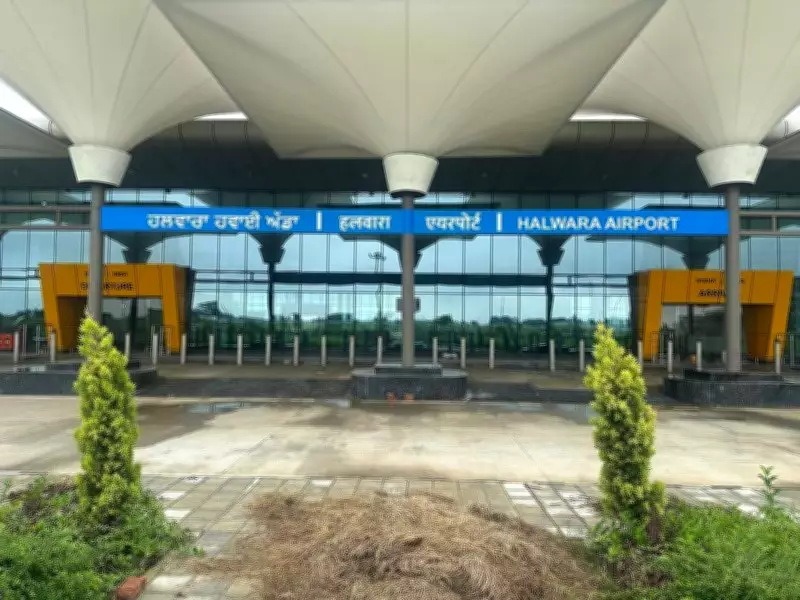
Halwara's Aviation Ambition: Can Punjab's New Airport Finally Take Flight?
The Halwara airport project in Punjab, envisioned as a key driver for regional development, stands at a critical juncture as stakeholders grapple with operational hurdles. Located near Ludhiana, this facility aims to transform air connectivity in the state, but its path to becoming fully functional is fraught with challenges that demand urgent attention.
Infrastructure and Operational Hurdles
Despite significant investments and planning, Halwara airport faces substantial infrastructure gaps that hinder its operational readiness. The runway, though constructed, requires upgrades to meet modern aviation standards, including enhanced lighting and navigation systems. Additionally, the terminal building and ancillary facilities need completion to handle passenger traffic efficiently. These delays not only stall immediate operations but also risk diminishing the project's long-term viability.
Operational challenges extend beyond physical infrastructure. Securing necessary clearances from aviation authorities, such as the Directorate General of Civil Aviation (DGCA), remains a pivotal step. Without these approvals, commercial flights cannot commence, leaving the airport in a state of limbo. The lack of a clear timeline for these processes adds to the uncertainty surrounding the project.

Economic and Regional Implications
The success of Halwara airport is closely tied to Punjab's economic aspirations. Proponents argue that it could stimulate local economies by attracting tourism, boosting trade, and creating jobs. For instance, improved air links might facilitate business travel to Ludhiana, a major industrial hub, thereby enhancing export opportunities. However, skeptics question whether the region has sufficient demand to sustain regular flights, given existing airports in Amritsar and Chandigarh.
- Enhanced connectivity could reduce travel time for residents, promoting regional integration.
- Potential for cargo operations might support agricultural and manufacturing sectors.
- Risks of underutilization if passenger numbers fail to meet projections.
Moreover, the project's alignment with broader national infrastructure goals, such as the UDAN scheme for regional connectivity, underscores its strategic importance. Yet, funding constraints and bureaucratic delays threaten to derail these ambitions, highlighting the need for coordinated efforts between state and central governments.
Stakeholder Perspectives and Future Prospects
Various stakeholders, including local communities, businesses, and policymakers, hold divergent views on Halwara's potential. While some herald it as a game-changer for Punjab's aviation landscape, others caution against over-optimism, citing past failures in similar regional projects. The airport's fate hinges on addressing key issues like airline partnerships and market feasibility studies.
Looking ahead, the next steps involve accelerating infrastructure completion, securing regulatory approvals, and fostering public-private partnerships to ensure sustainability. If successful, Halwara could serve as a model for other regional airports, but failure might set back Punjab's aviation dreams for years to come. Ultimately, the runway reality is that Halwara's journey to becoming airborne requires not just investment, but strategic vision and persistent effort.






