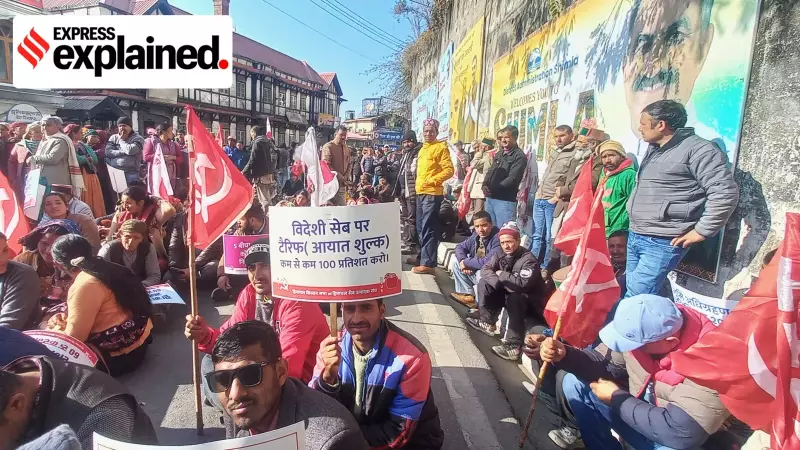
Himachal Pradesh Chief Minister Sukhvinder Singh Sukhu has recently proposed a plan to import apples from New Zealand, a move that has stirred significant discussion among agricultural stakeholders both in India and abroad. This initiative aims to address potential shortages and diversify the apple supply in the region, but it has also raised questions about its impact on local farmers and international trade dynamics.
Background of the Apple Import Proposal
The proposal comes at a time when Himachal Pradesh, a major apple-producing state in India, faces challenges such as climate variability and fluctuating yields. Chief Minister Sukhu's plan involves sourcing apples from New Zealand, known for its high-quality produce and advanced farming techniques. The idea is to supplement local production and ensure a steady supply of apples in the market, potentially benefiting consumers with more choices and stable prices.
Reactions from New Zealand Farmers
In New Zealand, farmers have expressed mixed reactions to the proposal. Some see it as an opportunity to expand their export markets and strengthen trade ties with India. They highlight the potential for increased demand and economic benefits, given India's large population and growing appetite for fruits. However, others are cautious, pointing out that such imports could lead to increased competition in the global market, affecting prices and sustainability practices.

Key concerns raised by New Zealand farmers include:
- The need for fair trade agreements that protect both Indian and New Zealand agricultural interests.
- Potential environmental impacts, such as carbon footprints from long-distance transportation.
- Ensuring that imported apples meet quality and safety standards to maintain consumer trust.
Implications for Himachal Pradesh Farmers
Local farmers in Himachal Pradesh have also voiced their opinions on the import plan. Many are worried that cheaper imported apples could undercut their produce, leading to reduced incomes and market share. They argue that instead of imports, the government should focus on supporting domestic agriculture through subsidies, better infrastructure, and research into climate-resilient varieties.
As one farmer noted, "We have been cultivating apples for generations, and this move could threaten our livelihoods if not managed carefully."
Broader Agricultural and Economic Context
This proposal is part of a larger trend in global agriculture, where countries are increasingly looking to imports to meet domestic demands. It highlights the delicate balance between promoting international trade and protecting local industries. For Himachal Pradesh, the decision could influence future agricultural policies and economic strategies, especially in regions dependent on fruit cultivation.
Potential benefits of the import plan include:
- Enhanced availability of apples during off-seasons or poor harvests.
- Exposure to international farming practices that could improve local techniques.
- Strengthened diplomatic and trade relations between India and New Zealand.
However, risks such as market disruption and dependency on foreign supplies must be carefully weighed. Experts suggest that a phased approach, with safeguards for local farmers, could help mitigate negative effects while exploring the advantages of global trade.
Looking Ahead: Policy Considerations
As the debate continues, policymakers are urged to consider comprehensive strategies that balance import needs with support for domestic agriculture. This includes investing in research for high-yield and disease-resistant apple varieties, improving storage and transportation facilities, and fostering fair trade practices. The outcome of this proposal could set a precedent for similar agricultural decisions in India and beyond.
In summary, Chief Minister Sukhu's apple import plan from New Zealand has sparked a multifaceted discussion involving economic, environmental, and social factors. While it offers potential benefits, it also poses challenges that require careful navigation to ensure sustainable growth for all stakeholders involved.