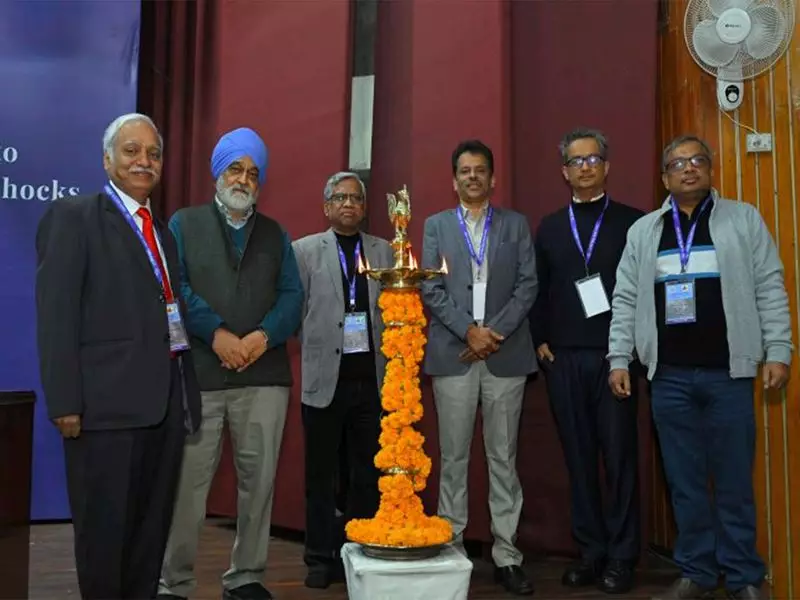
A significant conclave held at the Indian Institute of Foreign Trade (IIFT) in Delhi recently brought together experts to dissect India's evolving role within a rapidly transforming global economic landscape. The event served as a critical platform to analyze strategic opportunities and challenges for the nation.
Navigating a World in Flux: Key Themes and Discussions
The conclave, centered on the theme of India's role in a shifting global economic order, featured in-depth deliberations on several fronts. A primary focus was the changing dynamics of international trade and the urgent need for building resilient supply chains. Experts emphasized that global disruptions have created a unique window for India to position itself as a reliable and alternative manufacturing and trade partner.
Discussions also highlighted the strategic importance of new and emerging trade agreements. Participants analyzed how India could leverage partnerships, both regional and bilateral, to secure its economic interests and enhance its export competitiveness. The dialogue extended to the critical domain of economic diplomacy, exploring how foreign policy tools can be harnessed to support trade and investment goals.

India's Strategic Imperatives and Future Pathways
A strong consensus emerged on the imperative for India to proactively shape its engagement with the world economy. The conclave underscored that passive adaptation is insufficient; instead, India must actively influence rule-making and institutional frameworks in international economic governance. This involves not just participating in existing systems but also championing reforms that reflect contemporary realities and the interests of developing nations.
Furthermore, the discussions pointed towards the need for internal policy coherence. Enhancing domestic manufacturing capabilities through initiatives like Make in India, coupled with sustained investments in logistics and digital infrastructure, was identified as the bedrock for external economic success. Building a skilled workforce aligned with future global demands was another highlighted priority.
Conclusions and the Road Ahead
The IIFT Delhi conclave concluded with a forward-looking perspective. It reinforced the view that the current global economic recalibration, while fraught with challenges, presents a historic opportunity for India. By strategically integrating into global value chains, forging smart partnerships, and strengthening its domestic economic base, India can ascend to a more influential position in the world economic order.
The insights generated from the gathering are expected to inform policy thinking and business strategy. The event successfully highlighted the complex interplay between trade, geopolitics, and domestic economic policy, charting a course for India's ambitious journey on the global stage.