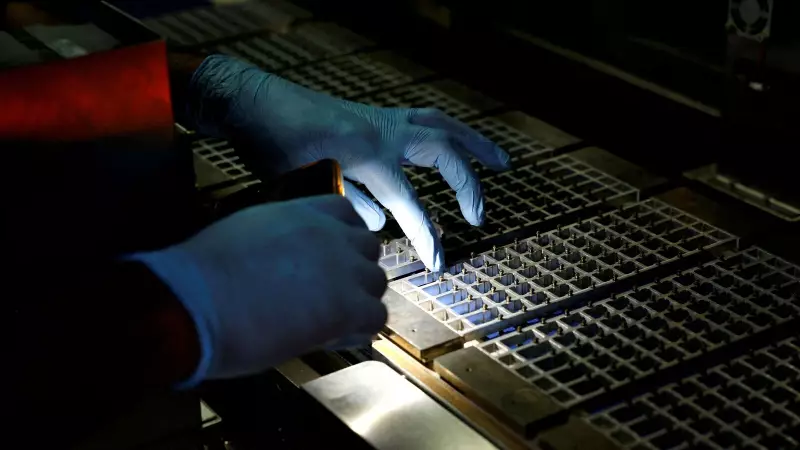
India is embarking on an ambitious mission to dramatically transform its manufacturing landscape, with government officials revealing plans to increase the sector's contribution to GDP from the current 17% to a substantial 25%. This strategic push represents one of the most significant economic initiatives in recent years.
The US-India Trade Partnership: A Game Changer
At the heart of this manufacturing revolution lies a potential trade deal with the United States, which officials believe could serve as the catalyst for unprecedented industrial growth. The partnership is expected to focus on key sectors where both nations can create mutual benefits and supply chain resilience.
Strategic Sectors for Growth
The manufacturing mission will concentrate on several high-potential areas:

- Electronics and semiconductors - Building domestic capabilities in critical technology components
- Pharmaceuticals and medical devices - Leveraging India's existing strengths in healthcare manufacturing
- Renewable energy equipment - Supporting global green transition while creating jobs
- Automotive and electric vehicles - Positioning India as a global mobility hub
- Textiles and apparel - Revitalizing traditional manufacturing sectors
Policy Reforms and Infrastructure Development
Government sources indicate that achieving this ambitious target will require comprehensive policy reforms and significant infrastructure upgrades. The plan includes:
- Streamlining regulatory processes and reducing compliance burdens
- Developing industrial corridors and manufacturing clusters
- Enhancing skill development programs to create qualified workforce
- Improving logistics and supply chain infrastructure
- Providing targeted incentives for high-priority sectors
Economic Implications and Job Creation
The successful implementation of this manufacturing mission could have far-reaching economic consequences. Industry experts project that achieving the 25% manufacturing GDP target could:
"Create millions of new jobs, reduce import dependency, and position India as a global manufacturing powerhouse capable of competing with established manufacturing nations."
This strategic shift comes at a crucial time when global supply chains are being reconfigured, presenting India with a unique opportunity to attract significant foreign investment and manufacturing capacity.
The Road Ahead
While the challenges are substantial, including infrastructure gaps and regulatory hurdles, the government's renewed focus on manufacturing signals a determined effort to transform India's economic structure. The proposed US trade deal could provide the necessary momentum to accelerate this transformation.
As one official noted, "This isn't just about increasing numbers; it's about building sustainable manufacturing capabilities that can drive India's growth for decades to come."