India Strengthens Energy Security Amid Escalating Middle East Tensions
As geopolitical tensions intensify in the Middle East, India is actively exploring alternative energy sources to bolster its energy security. According to official sources cited by PTI on Saturday, countries such as Australia and Canada have offered additional gas supplies, highlighting India's strategic efforts to diversify its energy portfolio.
Disruption in Key Energy Transit Routes
With ships and oil tankers avoiding the Strait of Hormuz in the Persian Gulf due to fears of attacks, one of the world's critical energy transit routes has been disrupted. However, officials emphasized that the ongoing US-Israel conflict with Iran and the Strait of Hormuz disruption have not impacted India's energy supplies. This resilience is attributed to India's diversified network of crude import routes.
Only around 40% of India's crude oil imports pass through the Strait of Hormuz, while the remaining 60% are transported through other supply routes that remain unaffected by the current crisis. Officials noted that India's energy strategy has evolved significantly, ensuring that disruption in a single corridor does not lead to a supply emergency.

Global Partnerships and Supply Diversification
India has managed sourcing adjustments smoothly during global disruptions by relying on crude supplies from Russia, West Africa, the Americas, Central Asia, and non-Gulf Middle Eastern routes. In addition to offers from Australia and Canada for extra gas supplies, India has recently entered into new energy supply arrangements with the United States and the United Arab Emirates to ensure stable long-term energy availability.
Over the past decade, India has significantly broadened its energy supplier base, increasing it from 27 to 40 countries across six continents. This diversification means that India's energy security is no longer tied to a single maritime chokepoint, according to sources.
US Waiver on Russian Oil and Compliance
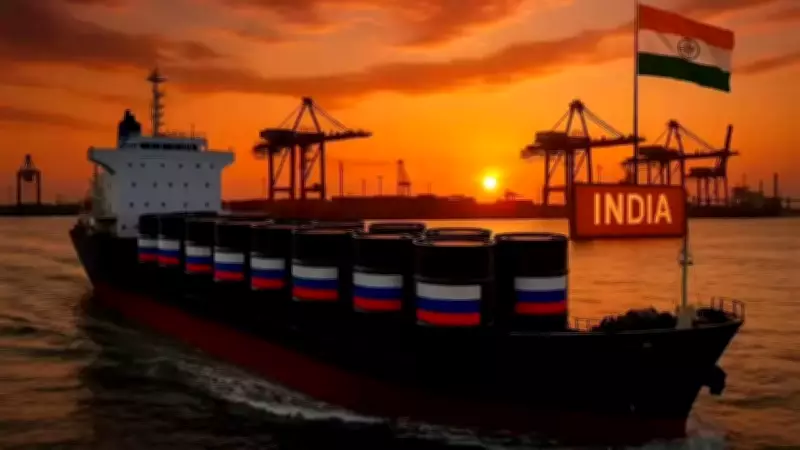
Officials reiterated that India's crude procurement strategy remains guided by national interest, sourcing from wherever supplies are available, competitively priced, and deliverable. This stance was highlighted after US Treasury Secretary Scott Bessent announced a 30-day waiver allowing Indian refiners to continue purchasing Russian oil, calling India an essential partner in global energy markets.
India has complied with all 18 rounds of the G7 price cap rules since their introduction. The waiver removes unnecessary friction and acknowledges the stabilizing role played by India's refining and procurement capacity in global energy markets. Officials added that India remains in close coordination with major global oil and gas suppliers and international energy organizations such as the International Energy Agency (IEA) and the Organisation of the Petroleum Exporting Countries (OPEC).
Stable Fuel Prices and Inventory Management
Sources pointed out that fuel prices in India have remained relatively stable compared to several other countries. During the same period, petrol prices rose by about 55% in Pakistan, 22% in Germany, 19% in France, and 11.54% in the United States, while India's petrol prices increased by less than 1%.
India currently holds nearly eight weeks of total inventory cover for crude oil and petroleum products, including strategic reserves. This includes approximately 25 days of crude oil stocks and around 25 days of petrol and diesel inventory. Government decisions in the petroleum sector continue to be guided by three key criteria: affordability, availability, and sustainability, ensuring stable fuel supply for consumers.
Officials emphasized that India's energy transactions have remained within international regulations, using compliant shipping, audited channels, and legal traders. This approach has helped stabilize global crude prices during periods of active procurement, demonstrating India's role in maintaining market equilibrium.