India's Aviation Sector Set for Global Export Leadership
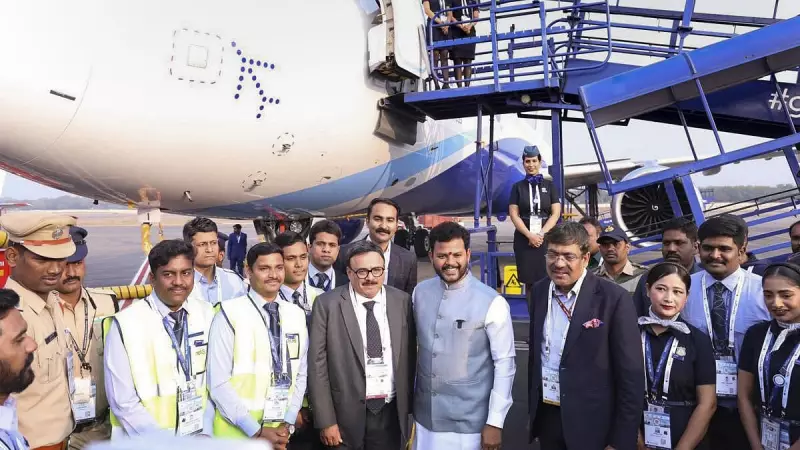
Union Minister Rammohan Naidu has made a significant declaration regarding India's aviation industry, stating that the country possesses the potential to emerge as a global exporter of aviation components and products. This announcement comes at a crucial time when India is actively strengthening its manufacturing capabilities and expanding its international trade partnerships.
Strategic Focus on Manufacturing Ecosystem
During his address, Naidu elaborated on the broader context of India's trade negotiations, specifically highlighting the India-EU Free Trade Agreement (FTA). He described this agreement as the most complicated FTA that India has successfully negotiated, emphasizing that its entire framework revolves around enhancing and supporting the manufacturing ecosystem within India.
This focus on manufacturing is particularly relevant for the aviation sector, where precision engineering, advanced materials, and technological innovation are paramount. By aligning trade policies with domestic manufacturing growth, India aims to create a robust supply chain that can compete on the global stage.

Implications for the Aviation Industry
The minister's statement underscores several key points for India's aviation sector:
- Export Potential: India's existing capabilities in aerospace manufacturing, coupled with government initiatives like 'Make in India', position the country to supply critical components to international aviation markets.
- Trade Deal Synergy: The India-EU FTA is expected to facilitate smoother access to European markets, reducing tariffs and regulatory barriers for Indian aviation products.
- Economic Growth: Expanding exports in high-value sectors like aviation can significantly contribute to India's GDP, create skilled jobs, and attract foreign investment.
Naidu's remarks reflect a strategic vision where trade agreements are not merely about tariff reductions but are intricately designed to bolster specific industrial sectors. The aviation components industry, with its demand for quality and reliability, stands to benefit immensely from such an approach.
Challenges and Opportunities Ahead
While the potential is immense, realizing this vision will require addressing certain challenges:
- Infrastructure Development: Enhancing manufacturing facilities and logistics networks to meet global standards.
- Skill Development: Investing in training programs to build a workforce proficient in aerospace technologies.
- Quality Assurance: Implementing stringent quality control measures to ensure compliance with international aviation regulations.
Despite these hurdles, the alignment of trade policy with industrial growth, as highlighted by Naidu, provides a clear roadmap. The India-EU FTA, with its emphasis on the manufacturing ecosystem, could serve as a catalyst, transforming India from a consumer to a key producer in the global aviation supply chain.
As India continues to negotiate and implement such complex trade deals, the focus remains on creating an enabling environment where industries like aviation can thrive and expand their global footprint. The minister's optimism signals a confident step towards establishing India as a hub for aviation innovation and export excellence.