India Maintains Russian Oil Imports, Rejects US Pressure in Trade Talks
Government sources in New Delhi clarified on Saturday that India has consistently sourced crude oil from Russia, dismissing claims linking such purchases to US trade negotiations. This statement comes amid reports that US President Donald Trump tied the removal of a proposed 25% penalty tariff in a trade deal framework to India's alleged commitment to stop buying Russian oil.
Energy Procurement Guided by National Interest
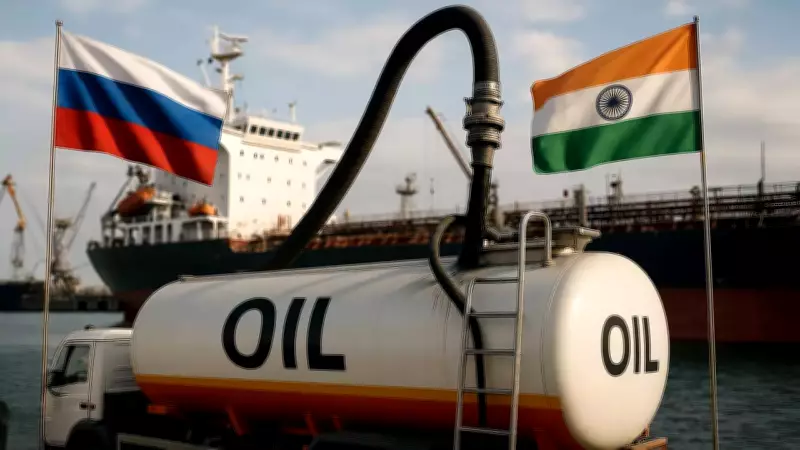
Sources emphasized that India's energy procurement decisions are strictly based on the principle of national interest, not external permissions. "We source crude from wherever supplies are available, competitively priced and deliverable, and we will continue to do so," a government official stated. They added that India has never depended on any country's approval for its oil imports, with Russia remaining its largest crude supplier in February.
US Waiver Seen as Domestic Gesture
The declaration of a "30-day waiver" by top US officials, allowing India to purchase Russian oil, was described by sources as primarily intended for a domestic audience. US Treasury Secretary Scott Bessent mentioned late Thursday that the Trump administration granted this temporary waiver to enable Indian refiners to buy Russian oil stranded at sea, aiming to maintain global supply flows and alleviate pressure from Iran's blockade of the Strait of Hormuz.

However, Indian officials viewed the waiver as merely removing a friction point that served no party's interest. "This has been our consistent position across administrations and geopolitical cycles," a source noted, highlighting that petroleum sector decisions are guided by three criteria: affordability, availability, and sustainability.
Consistent Trade Despite Geopolitical Tensions
During the three years of the Russia-Ukraine war since 2022, India continued importing oil from Moscow due to deep discounts and refinery demand, despite objections from the US and European Union. Suggesting that a short-term waiver enabled these purchases overlooks the ongoing nature of this trade. In February, India's crude imports from Russia were slightly over 1 million barrels per day (mbd), accounting for nearly 20% of total purchases, compared to 1.1 mbd in January and 1.2 mbd in December.
Enhanced Energy Security and Diversified Supply Routes
Officials also pointed out that India has significantly expanded its supplier base from 27 to 40 countries, strengthening its energy security. They clarified that the Strait of Hormuz is not the sole route for crude imports, with only about 40% passing through it, while 60% are routed through other supply corridors that remain unaffected by regional tensions.
Furthermore, India holds over 250 million barrels (nearly 4,000 crore litres) of crude oil and refined petroleum products, providing a buffer coverage of 7-8 weeks across the supply chain. This strategic reserve underscores the country's preparedness to navigate global energy market fluctuations independently.