

India Firmly Rejects Rumors of Agricultural Concessions in US Trade Talks
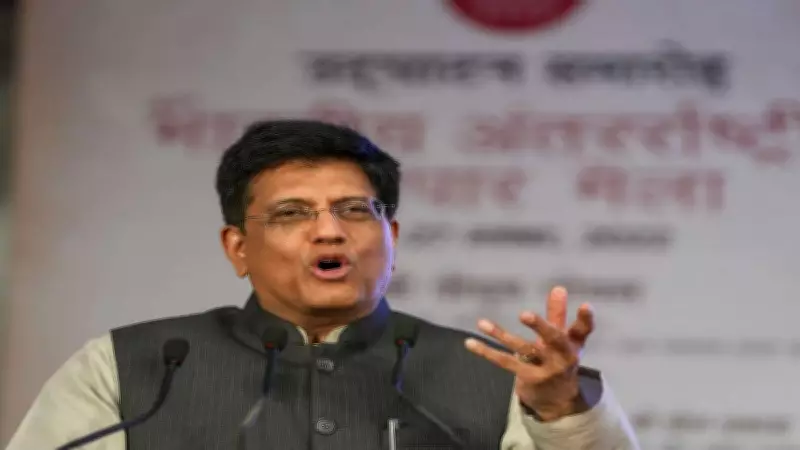
In a decisive statement, Commerce and Industry Minister Piyush Goyal has categorically quashed widespread rumors regarding potential agricultural giveaways to the United States as part of ongoing trade negotiations. The minister's remarks come amid heightened speculation about the terms of a prospective India-US trade deal, with many fearing concessions that could impact domestic farmers and exporters.
No Compromise on Farmer Interests
Addressing concerns directly, Minister Goyal emphasized that the Indian government is unwavering in its commitment to shield the nation's agricultural sector from any adverse effects of international trade agreements. "There are absolutely zero agricultural giveaways to the United States," he declared, putting to rest anxieties that Indian farmers might face increased competition from subsidized US agricultural imports.
This stance underscores India's strategic priority to protect its vast farming community, which forms the backbone of the rural economy. The government's position is seen as a critical move to ensure food security and livelihood stability for millions engaged in agriculture across the country.

Focus on Protecting Agri-Fish Exports
Beyond safeguarding domestic markets, the minister highlighted efforts to secure and enhance India's agricultural and fish exports in the trade discussions. "Our negotiators are actively working to shield our agri-fish exports from any restrictive measures," Goyal stated, indicating a proactive approach to maintain and possibly expand India's footprint in global markets for these products.
India is a significant exporter of items such as rice, spices, and seafood, and protecting these sectors is vital for export revenue and economic growth. The focus on agri-fish exports reflects a broader strategy to balance defensive measures with offensive opportunities in trade diplomacy.
Context of India-US Trade Relations
The clarification from Minister Goyal comes at a crucial juncture in India-US trade relations, which have seen both cooperation and contention over issues like tariffs, intellectual property, and market access. A potential trade deal has been under discussion for years, aiming to deepen economic ties between the two democracies.
Key points in the negotiations include:
- Resolving longstanding disputes over digital taxes and e-commerce.
- Enhancing cooperation in technology and innovation sectors.
- Addressing non-tariff barriers that affect bilateral trade flows.
By ruling out agricultural concessions, India signals its intent to negotiate from a position of strength, prioritizing sectors where it holds competitive advantages while defending vulnerable industries.
Implications for Future Negotiations
This firm stance is likely to shape the trajectory of future talks, setting clear boundaries on what India is willing to offer. It reassures domestic stakeholders, including farmers and exporters, of the government's support, while also communicating to international partners that India will not compromise on core economic interests.
As negotiations progress, observers will watch for how this position influences other aspects of the deal, such as services trade, investment protocols, and environmental standards. The outcome could have significant ramifications for India's trade policy and its role in the global economy.
In summary, Piyush Goyal's statement serves as a robust affirmation of India's trade strategy: one that seeks mutual benefit without sacrificing the welfare of its agricultural community. This approach aligns with broader national goals of sustainable development and economic resilience.






