Historic India-EU Free Trade Agreement Concluded After 18 Years of Negotiations
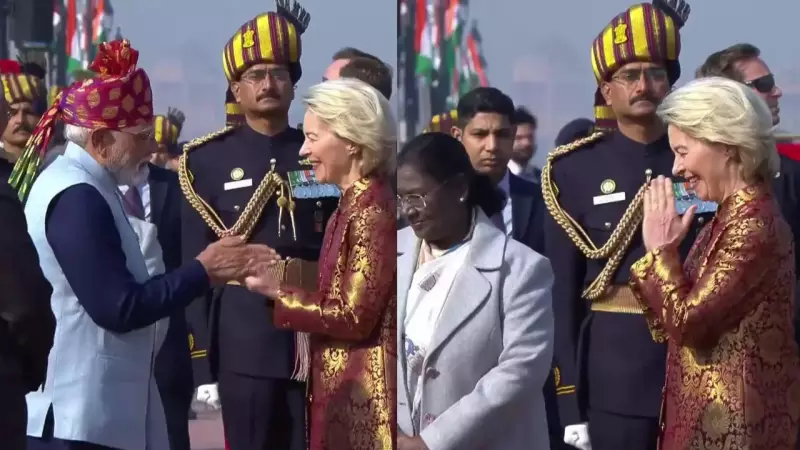
In a significant development for international trade, India and the European Union have successfully concluded negotiations for a comprehensive free trade agreement that will encompass goods, services, and various other aspects of bilateral engagement. Commerce Secretary Rajesh Agrawal confirmed that leaders from both sides are set to announce this landmark deal on Tuesday, marking the culmination of discussions that have spanned more than eighteen years.
A Balanced and Forward-Looking Economic Partnership
Rajesh Agrawal emphasized that the agreement represents a balanced and forward-looking framework designed to enhance economic integration between India and the EU. "It will propel trade and investment between both sides," Agrawal stated on Monday, highlighting the deal's potential to strengthen bilateral economic ties. The negotiations, which had experienced prolonged delays, received renewed momentum in 2024, partly influenced by global trade dynamics including former US President Donald Trump's reciprocal tariffs, which encouraged both parties to address mutual concerns more aggressively, particularly in sensitive sectors like agriculture and dairy.
Implementation Timeline and Ratification Process
Despite the conclusion of negotiations, officials noted that the agreement will require several months for ratification and is projected to be implemented by early 2027. Over the coming two weeks, both sides will work on finalizing a cleaner text of the agreement, which will then undergo legal vetting over the next five to six months before formal signing. The ratification process will involve approval by the European Parliament, but officials clarified that individual member-state approval within the 27-nation bloc will not be necessary since the agreement does not contain "mixed competence" elements.

Key Benefits and Sectoral Concessions
India is anticipated to gain zero-duty access to several crucial product segments, including textiles, leather, and marine products. In exchange, India will provide concessions in sectors such as automobiles, wines, and spirits. European Commissioner for Trade and Economic Security Maroš Šefčovič, in a television interview, outlined the agreement's ambitious goals, aiming for full or partial tariff reduction on 97-99% of goods while carefully considering sensitivities in agriculture and dairy sectors.
Automotive Sector and Strategic Cooperation
Šefčovič elaborated on the automotive sector, noting that the EU is seeking a "combination" of lower tariffs on a specified number of vehicles along with phased reductions. He acknowledged that while India represents a smaller market compared to the EU, it is growing rapidly, making the auto sector particularly important for both economies. The commissioner highlighted the complementary nature of the automotive industries, with India specializing in small cars and European manufacturers focusing on larger, technologically advanced vehicles.
"We are looking at ways which would help us find solutions, create new supply chains, and make an even better business case for European car makers, while opening new possibilities for cooperation," Šefčovič stated. He further emphasized the broader strategic objectives of the FTA, which include building resilient supply chains, reducing risky dependencies, and generating employment opportunities in both India and the European Union.
A New Chapter in India-EU Economic Relations
This free trade agreement marks a pivotal moment in India-EU relations, promising to enhance economic collaboration and create a more integrated trade environment. As both sides prepare for the formal announcement and subsequent implementation phases, the deal is expected to foster sustainable growth, innovation, and mutual prosperity, setting a precedent for future international trade partnerships.