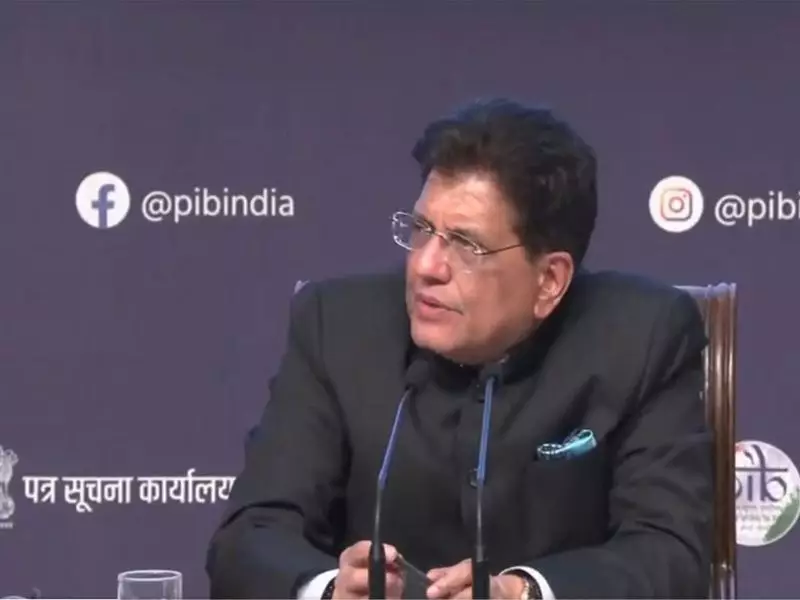
India-EU Free Trade Agreement on Track for 2024 Implementation, Says Piyush Goyal
Commerce and Industry Minister Piyush Goyal has expressed strong optimism regarding the finalization of the India-European Union Free Trade Agreement (FTA), stating that he hopes the landmark deal will come into force within this year. This announcement underscores the significant progress made in bilateral trade negotiations between India and the EU, aiming to bolster economic ties and enhance market access for both regions.
Expedited Legal Scrubbing to Accelerate FTA Process
In a key development, Minister Goyal highlighted that the legal scrubbing process for the India-EU FTA will be conducted on a fast-track basis. Legal scrubbing involves a meticulous review of the agreement's text to ensure clarity, consistency, and compliance with international laws, a crucial step before formal implementation. By prioritizing this phase, both parties aim to overcome potential delays and expedite the overall timeline, reflecting a shared commitment to realizing the benefits of the trade pact swiftly.
Strategic Importance of the India-EU FTA
The India-EU FTA is poised to be a transformative agreement, covering a wide range of sectors including goods, services, investments, and intellectual property. It is expected to:

- Boost bilateral trade by reducing tariffs and non-tariff barriers, potentially increasing economic cooperation between India and the EU.
- Enhance market access for Indian exporters in key European markets, while providing EU businesses with greater opportunities in India's growing economy.
- Foster innovation and sustainability through provisions that promote green technologies and digital trade, aligning with global trends.
This agreement is part of India's broader strategy to strengthen its trade partnerships globally, following recent FTAs with countries like Australia and the UAE.
Challenges and Next Steps in FTA Negotiations
While optimism is high, several challenges remain in finalizing the India-EU FTA. Key issues include:
- Market access for agricultural products, where both sides have differing sensitivities and regulatory standards.
- Intellectual property rights, particularly in pharmaceuticals and technology, requiring balanced provisions to protect innovation without hindering access.
- Sustainable development clauses, which the EU emphasizes, necessitating alignment with India's domestic policies and economic goals.
Minister Goyal's emphasis on fast-tracking legal scrubbing suggests that negotiators are working diligently to resolve these sticking points. The next steps involve finalizing the text, followed by ratification processes in both India and EU member states, which could influence the exact implementation date.
Implications for India's Economy and Global Trade
The successful implementation of the India-EU FTA this year could have far-reaching implications:
- Economic growth: It is projected to significantly increase trade volumes, contributing to India's GDP and creating jobs in export-oriented industries.
- Strategic positioning: As geopolitical dynamics shift, this agreement reinforces India's role as a key player in international trade, enhancing its influence in global economic forums.
- Consumer benefits: Indian consumers may gain access to a wider variety of high-quality EU products, while European markets could see more competitive Indian goods.
In conclusion, Piyush Goyal's hopeful outlook for the India-EU FTA, coupled with the fast-track approach to legal scrubbing, signals a proactive effort to seal the deal in 2024. Stakeholders across sectors are closely monitoring these developments, anticipating a new era of enhanced trade relations between India and the European Union.