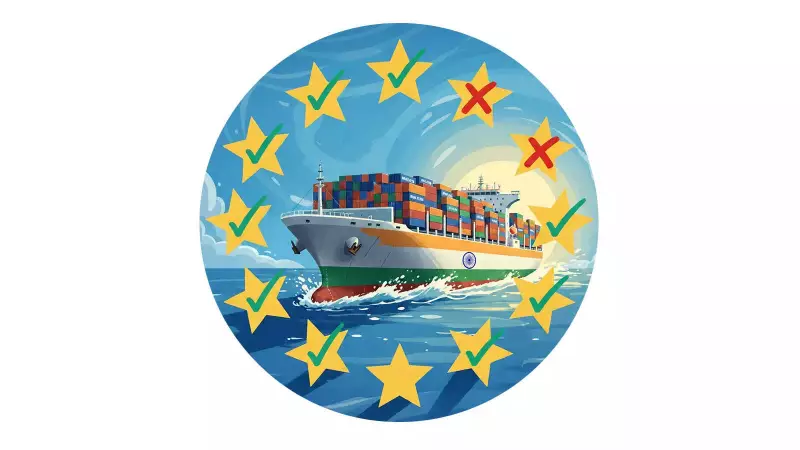
India's pursuit of a comprehensive free trade agreement with European nations is encountering significant and multifaceted challenges, making the path to seamless commerce far from straightforward. While the potential benefits of such a pact are substantial, including enhanced market access and economic growth, numerous hurdles must be navigated to achieve a mutually beneficial outcome.
Regulatory and Standards Divergence
A primary obstacle in the negotiations revolves around the stark differences in regulatory frameworks and product standards between India and European countries. European nations often enforce stringent regulations concerning environmental sustainability, labor rights, and product quality, which can be difficult for some Indian industries to meet without substantial adjustments. This divergence necessitates careful alignment to ensure fair competition and consumer protection on both sides.
Market Access and Tariff Barriers
Despite the goal of tariff elimination, disagreements persist over the extent of market access for key sectors. India seeks greater opportunities for its services sector, including IT and professional services, while Europe emphasizes reduced tariffs on industrial goods and agricultural products. Bridging these interests requires delicate negotiation to balance economic priorities and protect domestic industries from potential disruption.

Geopolitical and Strategic Considerations
The geopolitical landscape adds another layer of complexity to the trade talks. Both India and Europe are navigating broader strategic interests, including relations with other global powers and regional stability concerns. These factors influence the negotiation dynamics, as each side weighs economic gains against strategic objectives, potentially slowing progress toward a finalized agreement.
Implementation and Compliance Issues
Even if a pact is reached, implementation poses its own set of challenges. Ensuring compliance with agreed terms, monitoring trade flows, and addressing disputes will require robust institutional mechanisms. Both parties must invest in administrative capacity and cooperation to enforce the agreement effectively and prevent future conflicts.
In summary, while a free trade agreement between India and Europe holds promise for boosting bilateral trade and economic ties, the journey is fraught with obstacles. Overcoming regulatory differences, negotiating market access, and managing geopolitical factors are critical steps that will determine the success of this ambitious economic partnership.