

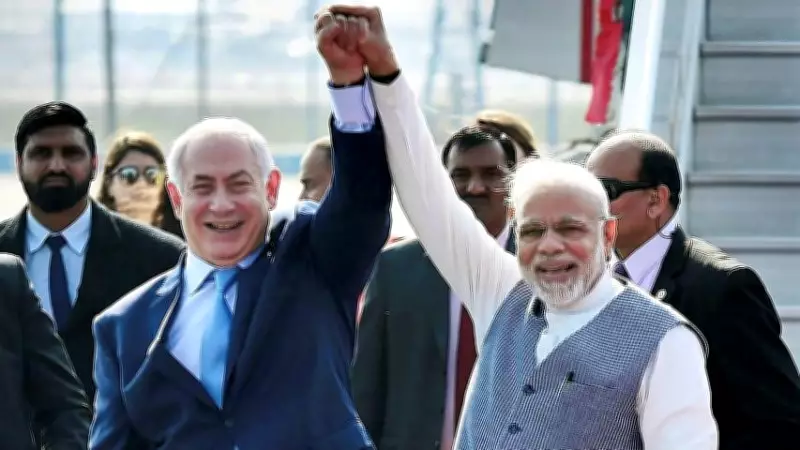
India and Israel Initiate Formal Talks for Free Trade Pact
In a significant move to enhance economic collaboration, India and Israel have officially commenced negotiations for a comprehensive free trade agreement (FTA). This development marks a pivotal step in strengthening bilateral trade relations between the two nations, with both sides expressing optimism about the potential benefits.
Background and Objectives of the FTA
The talks aim to create a framework that reduces tariffs and eliminates trade barriers, facilitating smoother exchange of goods and services. India and Israel have long shared robust diplomatic ties, and this FTA is expected to build on that foundation by boosting economic integration. Key sectors likely to benefit include technology, agriculture, pharmaceuticals, and defense, where both countries have complementary strengths.
Expected Impact on Bilateral Trade
Currently, bilateral trade between India and Israel stands at approximately $5 billion annually. The FTA is projected to significantly increase this figure by promoting investment flows and enhancing market access. Indian officials highlight that the agreement could open new opportunities for exporters in areas such as textiles, automotive parts, and information technology, while Israel seeks to expand its footprint in India's growing consumer market.

Negotiations are being led by senior trade representatives from both nations, with a focus on addressing regulatory hurdles and ensuring mutual gains. The process is expected to be complex, given the diverse economic landscapes, but stakeholders are committed to reaching a balanced outcome that supports sustainable growth.
Strategic and Economic Significance
Beyond trade, the FTA holds strategic importance, reinforcing the partnership in an era of global economic uncertainties. It aligns with India's broader trade strategy to forge agreements with key partners and diversify its economic engagements. For Israel, this pact represents an opportunity to deepen ties with one of the world's fastest-growing major economies.
Experts note that successful implementation could serve as a model for future agreements, potentially influencing trade dynamics in the region. Both governments have emphasized the need for transparency and inclusivity in the negotiations to address concerns from various industry sectors.
Next Steps and Timeline
The initial rounds of talks will focus on outlining the scope and key provisions of the FTA. A detailed timeline has not been disclosed, but sources indicate that both sides aim to conclude negotiations within a reasonable timeframe to capitalize on emerging opportunities. Regular consultations with business communities and stakeholders are planned to ensure the agreement meets practical needs.
In summary, the India-Israel free trade pact talks signify a forward-looking approach to economic diplomacy, with the potential to transform bilateral relations and contribute to global trade resilience.






