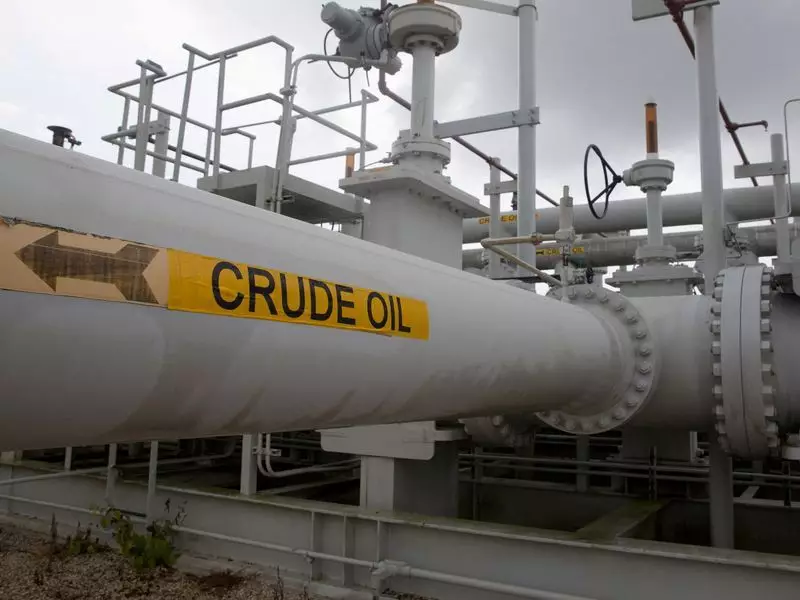
In a significant strategic pivot, Indian oil refiners are actively restructuring their crude procurement patterns, turning to increased supplies from Middle Eastern producers and the United States to compensate for declining Russian oil imports. This recalibration comes amid mounting challenges in securing Russian crude, traditionally India's top supplier since the Ukraine conflict began.
Payment Hurdles Force Strategic Realignment
The driving force behind this shift appears to be escalating payment complications. Indian companies are encountering substantial difficulties in settling transactions for Russian oil, primarily due to heightened scrutiny from international financial systems and banking channels. These payment bottlenecks have compelled refiners to explore more reliable alternatives to maintain their operational continuity.
Middle East Producers Regain Prominence
Industry sources indicate that major Indian refining companies are significantly boosting their procurement from traditional Middle Eastern suppliers. Countries like Saudi Arabia, Iraq, and the United Arab Emirates are witnessing renewed interest from Indian buyers who had previously shifted substantial volumes to discounted Russian crude.

This return to established Middle Eastern partnerships underscores the importance of transactional stability and reliable shipping routes in India's energy security calculus.
United States Emerges as Key Alternative Source
Concurrently, American crude is gaining substantial traction in Indian import portfolios. The United States, with its growing export capacity and flexible trading terms, presents an attractive alternative for Indian refiners seeking to diversify their supply base beyond traditional regions.
Market Implications and Global Energy Dynamics
This strategic reorientation carries significant implications for global oil markets:
- Price Adjustments: Increased demand for Middle Eastern and US crude could tighten certain market segments
- Shipping Patterns: Altered trade flows may impact tanker routes and freight costs
- Geopolitical Realignments: Changing energy partnerships reflect evolving international relations
- Refinery Economics: Different crude qualities may affect refining margins and product slates
The Russian Factor: From Dominance to Decline
Russia's position in the Indian oil market has undergone a dramatic transformation. After emerging as India's primary crude supplier following Western sanctions, Russian shipments now face multiple headwinds beyond payment issues, including insurance complications and shipping constraints.
The declining Russian imports represent a notable reversal from peak levels achieved in 2023, when Moscow supplied over 40% of India's crude requirements at substantially discounted rates.
Long-term Energy Security Considerations
Energy analysts suggest this diversification move aligns with India's broader strategy of maintaining multiple supply options to ensure energy security. While cost considerations remain important, the recent challenges highlight the critical importance of supply reliability and transactional smoothness in crude procurement decisions.
The evolving situation demonstrates how global geopolitical developments continue to reshape energy trade patterns, with major importers like India constantly adapting to maintain stable supplies for their growing economy.