

India-US Interim Trade Deal: A Strategic Shift Beyond Tariffs
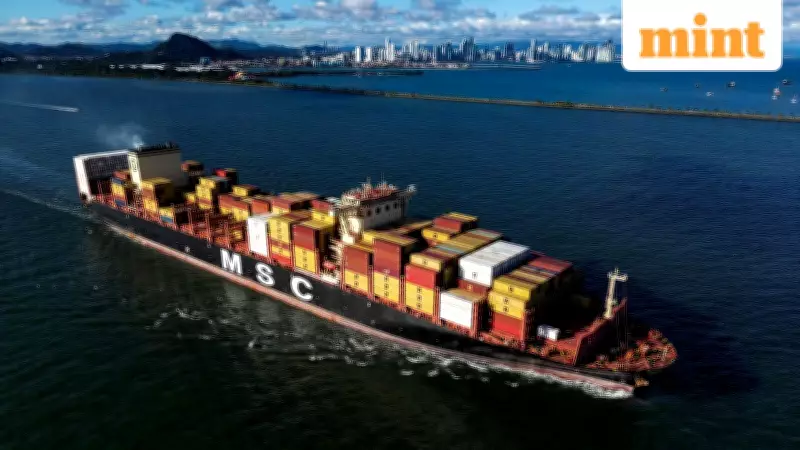
In a world of trade turbulence under US President Donald Trump, the recent framework for an interim trade deal between India and the United States offers a beacon of stability and opportunity. This agreement, though preliminary, promises to calm the choppy seas of international shipments and signals a significant move towards closer bilateral ties. The mutual lowering of market barriers is not merely a transactional arrangement but a profound geopolitical statement that India and the US are drawing nearer, not drifting apart.
Geopolitical Implications and Global Chessboard
The deal arrives after a stormy period of geopolitics, marked by Trump's selective targeting of India with punitive tariffs for its oil purchases from Russia, while overlooking similar imports by China, Turkey, Japan, and Hungary. This discriminatory approach has now subsided, paving the way for a more equitable partnership. From a broader perspective, this trade accord reinforces India's strategic position on the global stage. It ensures that the Quad alliance remains intact and diminishes China's ability to exert pressure on India or collude with Pakistan against it. Critics who argue that India has conceded too much fail to appreciate the global context; this deal is a net positive, defying simplistic tariff math.
The framework tilts a re-globalizing world in India's favour, even as it includes elements that may draw domestic criticism. An 18% US tariff, for instance, represents preferential market access for Indian exports, and comparing it to India's zero-duty list misses the larger strategic benefits. While some local manufacturers might face increased competition from eased imports, this pressure is a catalyst for enhancing cost competitiveness, especially in sectors being reshaped by technology. India's long-term goal is to integrate into global value chains, and this deal is a crucial step in that direction.

Economic and Sectoral Opportunities
The interim trade deal extends beyond mere trade figures, impacting business, finance, and India's overall economic prospects. New Delhi has committed to purchasing $500 billion worth of goods from the US over the next five years, a target that is achievable if energy imports remain flexible. Indian airlines, for example, already have aircraft orders worth $77 billion pending, highlighting the potential in the aviation sector, which is poised for growth. Moreover, the deal envisions India's participation in aerospace value chains, and the broader India-US compact is likely to include defence imports of American weaponry, further strengthening bilateral ties.
In the agricultural sector, both sides have adeptly protected domestic interests. India's decision to exclude genetically modified foodstuff is a sovereign right, though it may disappoint some growers. Overall, the tariff structure under this pact aligns with what India has offered other developed trade partners, such as the European Union, ensuring consistency in market access negotiations.
Challenges and Future Outlook
As India and the US work towards finalizing the deal, caution is warranted due to the unpredictability of Trump's policies. The conditional nature of America's oil-tariff relief underscores the hard realities of geopolitical trade-offs, where strategic autonomy must be balanced with optimizing national interests. The challenge now lies in adapting to a rapidly changing global landscape. Artificial intelligence (AI) is poised to disrupt manufacturing, services, and agriculture, and trade deals that foster globalization must be leveraged to ascend the economic curve without undermining India's labour or human-resource advantages.
This trade deal is fundamentally an opportunity, and the onus is on economic agents to look outward, raise their game, and focus on strategic edges. The current wave of export optimism should inspire innovative thinking on maximizing the benefits of this agreement. In essence, while the interim trade deal with the US involves complex tariff negotiations, its true significance lies in its role as a strategic pivot that enhances India's global standing and economic resilience in an era of re-globalization.






