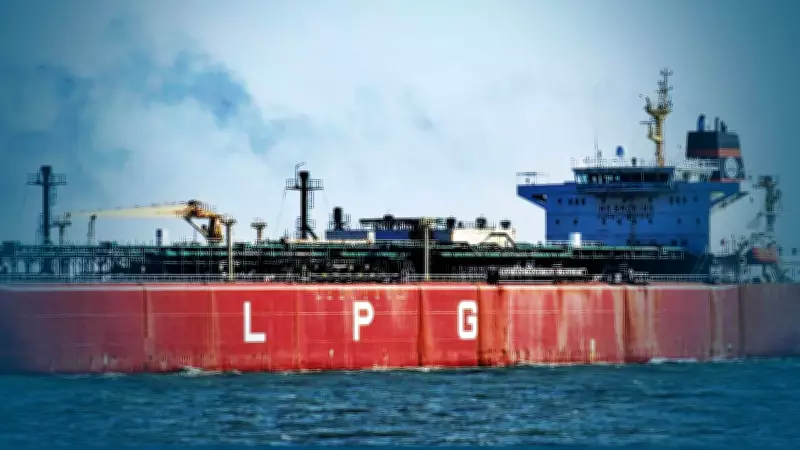
Indian LPG Tankers Successfully Transit Strait of Hormuz Amid Regional Tensions
In a significant development for India's energy security, two Indian-flagged liquefied petroleum gas (LPG) tankers have safely navigated the strategically vital Strait of Hormuz. The vessels, identified as Pine Gas and Jag Vasant, completed their passage through this crucial maritime chokepoint despite ongoing regional instability stemming from the Iran-Israel conflict.
Critical Cargo and Safe Passage Details
The two tankers are transporting a substantial combined load of 92,612 tonnes of LPG. This volume represents approximately one full day of India's national consumption, highlighting the importance of this shipment for the country's energy needs. The ships sailed in close proximity to each other during their transit, passing near Iran's Larak and Qeshm islands.
This coordinated sailing pattern likely served as a strategic measure to clearly signal their identity and peaceful commercial intentions to regional authorities. With 60 Indian crew members onboard between the two vessels, the successful passage underscores both operational professionalism and diplomatic navigation in tense waters.

Arrival Timeline and Broader Implications
The Pine Gas and Jag Vasant are currently en route to Indian ports, with expected arrival dates falling between March 26 and 28, 2026. Their safe transit through the Strait of Hormuz—a narrow waterway between the Persian Gulf and the Gulf of Oman—carries significant implications beyond this single shipment.
The successful passage demonstrates India's ongoing commitment to securing its energy supply chains despite regional geopolitical uncertainties. The Strait of Hormuz serves as a critical conduit for global oil and gas shipments, with approximately one-fifth of the world's petroleum products passing through this narrow passage.
Regional Context and Strategic Considerations
The transit occurred against the backdrop of heightened tensions between Iran and Israel, which have created volatility in the broader Middle Eastern region. The Strait of Hormuz has historically been a flashpoint in regional conflicts, given its strategic importance for global energy markets.
India's ability to ensure safe passage for these commercial vessels reflects several key strategic priorities:
- Energy Security: Maintaining uninterrupted access to critical fuel supplies for India's 1.4 billion population
- Maritime Safety: Protecting Indian-flagged vessels and crew in international waters
- Diplomatic Navigation: Balancing commercial interests with regional geopolitical realities
- Supply Chain Resilience: Ensuring continuity in energy imports despite external disruptions
This incident follows broader patterns of India navigating complex international relationships while prioritizing domestic energy needs. The country has consistently emphasized that energy security for its massive population remains a supreme national priority, even as it engages with multiple international partners and navigates shifting global alliances.
The successful transit of Pine Gas and Jag Vasant through the Strait of Hormuz represents both a practical achievement in logistics and a symbolic demonstration of India's growing capability to secure its economic interests in challenging international environments.