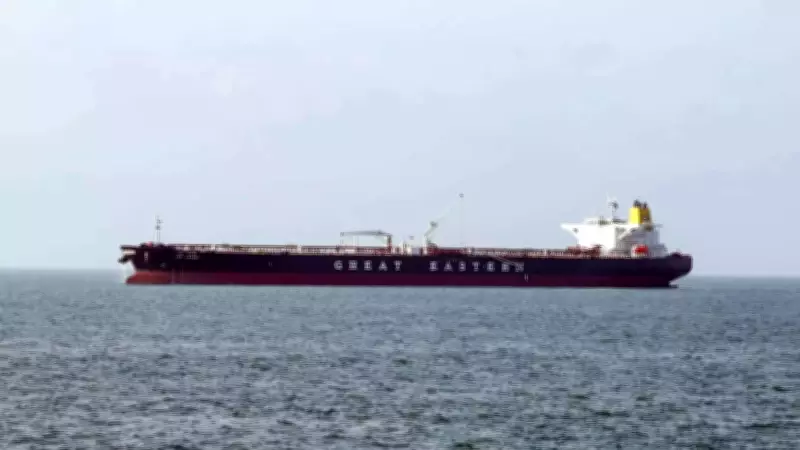
Indian Refiners Show Interest in Iranian Crude Following US Temporary Waiver
In a significant development for global energy markets, Indian refiners have expressed strong interest in purchasing sanctioned Iranian oil after the United States administration issued a temporary waiver for crude stranded at sea. This move comes as Tehran firmly maintains that no surplus stocks exist for international buyers, creating a contradictory narrative in the oil industry.
US Treasury Announces Strategic Oil Release
US Treasury Secretary Scott Bessent announced the waiver on Friday, describing it as a strategic measure to increase global oil availability. "By temporarily unlocking this existing supply for the world, the US would bring approximately 140 million barrels of oil to global markets," Bessent stated. "This action expands overall availability and helps relieve supply pressures during a critical period."
The authorization specifically targets cargoes already in transit and remains valid for only a short window of one month. Bessent emphasized the limited scope of this measure, noting that "this temporary, short-term authorization is strictly limited to oil that is already in transit and does not allow new purchases or production."

He further explained the strategic rationale behind the decision: "In essence, we will be using the Iranian barrels against Tehran to keep the price down as we continue Operation Epic Fury."
Iran Contradicts US Claims About Oil Availability
Iran's oil ministry spokesperson Saman Ghodousi directly contradicted the US statement, suggesting Washington was engaging in psychological market manipulation rather than facilitating actual oil transactions. "At present, Iran essentially has no crude oil left floating on water or surplus for supply in other international markets," Ghodousi declared in a Persian-language statement on social media platform X.
Ghodousi characterized the US announcement as "merely aimed at giving hope to buyers and psychologically controlling the market" rather than reflecting genuine oil availability. This contradiction creates uncertainty for potential buyers like Indian refiners who are actively seeking to secure energy supplies.
Global Context of Supply Disruptions and Previous Waivers
The US waiver announcement occurs against a backdrop of significant supply disruptions in the Hormuz Strait, a crucial maritime chokepoint that facilitates nearly one-fifth of global oil trade. These disruptions, combined with military conflicts in the region, have contributed to surging global oil prices and tightening supplies.
This temporary waiver follows a similar measure implemented earlier this month for sanctioned Russian oil in transit. The US administration appears to be employing a consistent strategy of temporarily releasing sanctioned oil supplies to boost global availability and stabilize benchmark prices that have risen dramatically amid supply constraints.
Indian Refiners Actively Seeking Alternative Supplies
A senior official at a state-run Indian refinery revealed that the country is aggressively pursuing oil from all possible sources as military conflicts disrupt traditional supply chains. "Teams across refiners are working hard to strike deals and procure oil and gas," the official explained. "The heavy and light grades of Iranian crude are quite compatible with our refineries. It will benefit all oil companies if we manage to secure some cargoes."
Indian energy companies face particular challenges as they navigate complex international sanctions while attempting to maintain adequate fuel supplies for domestic consumption and industrial needs. The compatibility of Iranian crude with existing refinery infrastructure makes it an attractive option despite the diplomatic complexities involved.
The situation highlights the delicate balance between geopolitical considerations and practical energy needs, with Indian refiners positioned between US authorization and Iranian denials of available supply. As global energy markets remain volatile, the outcome of these negotiations will significantly impact both regional energy security and international oil pricing dynamics.