India's Economic Vulnerability Exposed: 95% of Trade Relies on Foreign Ships
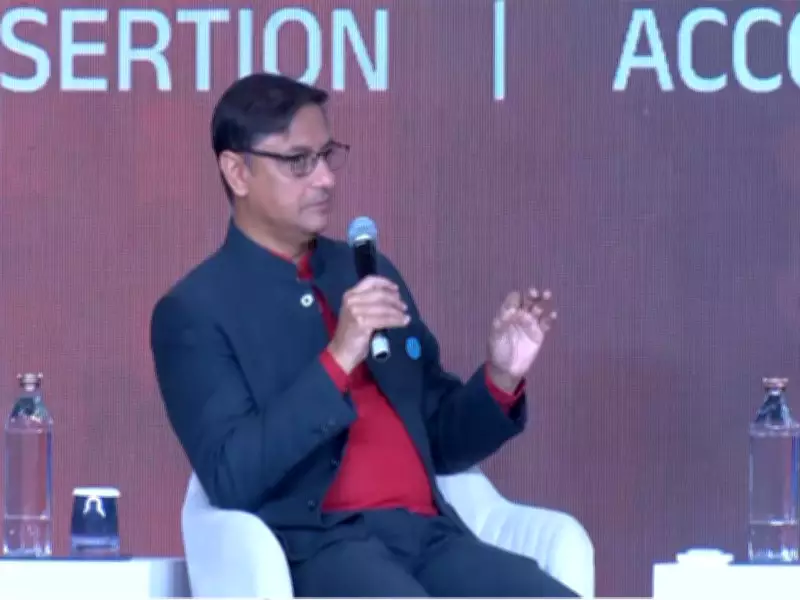
In a stark revelation, Sanjeev Sanyal, a prominent economist and member of the Prime Minister's Economic Advisory Council, has highlighted a critical vulnerability in India's economy. According to his analysis, a staggering 95% of India's international trade is currently dependent on foreign ships, posing significant risks to the nation's economic security and growth prospects.
Deep Dependence on Foreign Shipping Fleets
The reliance on foreign vessels for nearly all of India's import and export activities underscores a profound structural weakness in the country's maritime infrastructure. This dependence not only escalates logistics costs but also leaves India susceptible to global geopolitical tensions and shipping disruptions. Sanyal emphasized that this situation compromises India's strategic autonomy, as external factors can easily influence trade flows and economic stability.
Key statistics reveal:

- Over 90% of India's trade by volume is seaborne, making shipping a linchpin of the economy.
- Domestic shipping capacity accounts for less than 10% of total trade requirements, highlighting a massive gap.
- This imbalance increases vulnerability to freight rate volatility and supply chain bottlenecks.
Urgent Calls for Strategic Reforms and Domestic Boost
Sanjeev Sanyal has urged policymakers to implement immediate and comprehensive reforms to address this vulnerability. He advocates for a multi-pronged strategy focused on enhancing India's domestic shipping capabilities and reducing reliance on foreign fleets.
Proposed measures include:
- Investing in the expansion and modernization of India's shipping fleet through public-private partnerships.
- Introducing incentives and subsidies to encourage the growth of domestic shipping companies.
- Developing port infrastructure and logistics networks to support increased maritime activity.
- Fostering innovation in shipping technology to improve efficiency and competitiveness.
These steps are crucial not only for mitigating economic risks but also for aligning with India's broader goals of self-reliance and global economic leadership. Sanyal warned that without such interventions, India could face heightened exposure to international trade shocks, potentially hampering its economic resilience and long-term development.
Implications for India's Trade and Economic Future
The heavy reliance on foreign ships has far-reaching implications for India's trade dynamics and economic sovereignty. It affects key sectors such as manufacturing, agriculture, and energy, where timely and cost-effective shipping is essential. By bolstering domestic shipping, India can achieve greater control over its supply chains, reduce trade deficits, and enhance its bargaining power in global markets.
This issue ties into larger themes of economic vulnerability and strategic planning, as India navigates an increasingly complex global landscape. Addressing this challenge is imperative for sustaining economic growth and ensuring national security in the face of evolving international pressures.