

West Asia Conflict Triggers Global Energy Supply Disruption
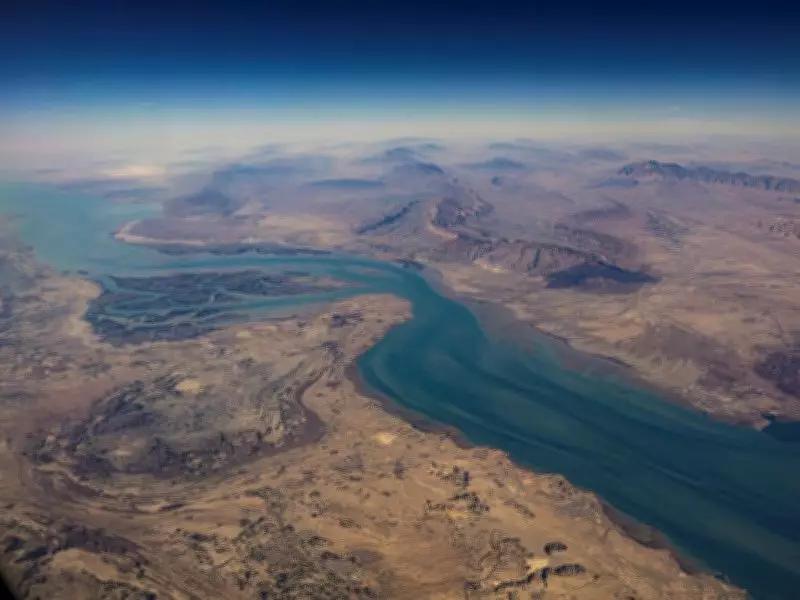
The ongoing conflict in West Asia has significantly disrupted global energy supply chains, impacting crude oil and natural gas flows through critical maritime routes such as the Strait of Hormuz. Experts highlight that India is navigating this crisis through strategic energy diplomacy and diversified sourcing, but caution that prolonged hostilities could intensify supply pressures and economic challenges.
India's Strategic Energy Diplomacy in Focus
Anindya Banerjee, Vice President at Kotak Mahindra Securities, emphasized that India is not directly involved in the conflict but faces global repercussions. "This is a war of Israel and America with Iran, and the impact is felt by everyone," he stated. Banerjee noted that India's unique diplomatic engagements with adversarial parties have enabled secure passage for its ships through the Strait of Hormuz, a feat few countries can achieve on a global scale.
He further explained that India is sourcing oil from Russia, which has substantial floating storage redirected towards Asian partners like China and India. "Right now, we are not facing an energy price shock but an energy shortage, with 10-12% of oil flow and 20% of gas flows disrupted," Banerjee added. On inflation, he projected that Consumer Price Index (CPI) could rise towards the Reserve Bank of India's lower band of 4%, but effects may be limited if disruptions are short-lived.

Economic Implications and Alternative Sourcing
RN Bhaskar, Founder of AsiaConverge, pointed out that India continues to receive crude supplies from Russia, benefiting from lower freight and insurance costs compared to other regions. "Freight costs from Russia remain the lowest, helping India save significantly," he said. However, Bhaskar warned that the crisis could double India's import bill while exports weaken due to financial strains in Europe and America and limited trade with Islamic countries.
He also highlighted the need for long-term gas deals with countries like Russia, Australia, or the US to mitigate supply challenges from the Gulf region. "Gas production cannot be stopped once started, making secure agreements crucial," Bhaskar noted.
Market Volatility and Geopolitical Sensitivity
Navneet Damani, Head of Research Commodities at Motilal Oswal Financial Services Ltd, described the swift impact on oil markets. "Geopolitical shocks rarely arrive without warning, but when they do, price reactions can be dramatic," he said. In early March 2026, crude prices surged over 50%, with Brent crude briefly reaching USD 120 per barrel and WTI touching USD 113, reflecting a shift from supply excess to supply anxiety.
Damani explained that despite OPEC+ production increases and stronger demand projections, geopolitical triggers reshaped market dynamics. Measures like Japan tapping strategic petroleum reserves and G7 discussions on stock releases have helped calm immediate concerns. However, he cautioned that any renewed escalation around the Strait of Hormuz could keep prices elevated, fueling inflation and diplomatic pressures.
Long-Term Strategies and Renewable Energy Shift
Looking ahead, Banerjee outlined India's efforts to reduce fossil fuel dependence through renewable energy and alternative sources. "India is already on that path with solar, small modular reactors in nuclear energy, green hydrogen, and green ammonia," he stated. This transition is seen as essential for long-term energy security amid geopolitical uncertainties.
In summary, while India's diplomatic maneuvers and diversified sourcing provide a buffer against West Asia conflict disruptions, experts stress the need for vigilance. Continued supply chain pressures, economic impacts, and market volatility underscore the importance of strategic planning and renewable energy investments to safeguard India's energy future.






