

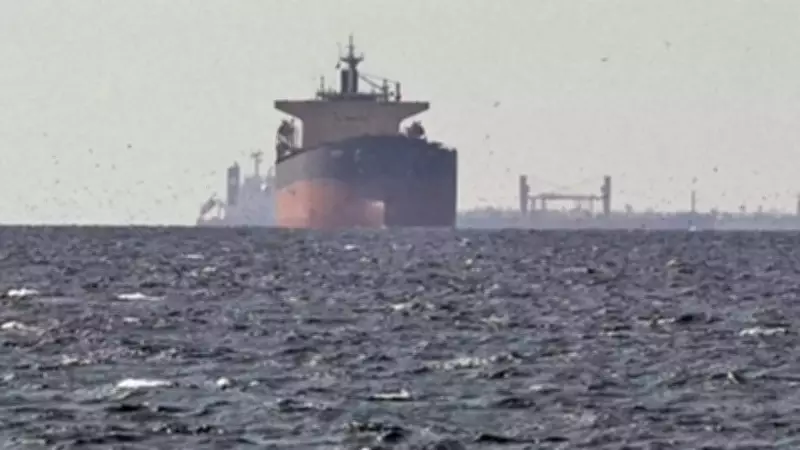
Shipping Industry Experts Sound Alarm Over India's Critical Supply Chains Amid West Asia Turmoil
Shipping industry leaders have issued a stark warning about significant challenges facing India's procurement of essential fertilizers and natural gas due to escalating conflicts in West Asia, particularly Iran's attacks on the strategic Strait of Hormuz. The urgent assessment emerged from a two-day International Maritime Conference organized by Integrated Maritime Exchange in Dehradun, focusing on freight market volatility, geopolitics, and the global trade outlook.
Fertilizer Crisis Looms as Sowing Season Approaches
Shabu Oriparambil, Managing Director of UAE-based Transbulk Intl Shipping LLC, participated via video conference and highlighted that while attention has centered on oil and gas imports, an equally critical challenge involves fertilizer supplies. "Much of India's fertilizers originate from the Gulf region. With the crucial crop sowing season rapidly approaching, this situation could develop into a serious problem unless new solutions are implemented promptly. In the long term, this conflict may directly impact the nation's food security," Oriparambil cautioned.
He further explained that while alternatives are currently under analysis, "they are not sufficient" to address the impending shortage. The expert emphasized that India's agricultural sector faces immediate disruption without swift intervention from policymakers and industry stakeholders.

Natural Gas Supply Vulnerability Exposed
Oriparambil identified another long-term concern: potential shortages of natural gas following strikes on Qatar's Ras Laffan gas facility, the world's largest LNG terminal. "India sources approximately 47% of its total LNG supply from this facility. While the Indian government has managed the initial crisis effectively to maintain stable fuel prices, developing a comprehensive long-term solution has become imperative," he stated.
Strait of Hormuz: From Theoretical to Actual Chokepoint
Krishnan Subramaniam, Chief Learning Officer at Transworld Academy with specialization in tankers, described how the Strait of Hormuz has transformed from a "theoretical" chokepoint to an active crisis zone. "The shipping industry had contingency plans for such emergencies, but none are functioning effectively now that the crisis is reality. Professionals are desperately reviewing rulebooks without success. The situation evolves minute by minute, with every minor disruption creating global shockwaves," Subramaniam explained.
Shipping Contracts Cancelled, Freight Rates Skyrocket
Munish Mediratta, Managing Director of Singapore-headquartered Bainbridge Navigation, revealed that shipping companies are cancelling long-term contracts due to extreme risks along West Asia routes, particularly near the Strait of Hormuz and Red Sea. "Many carriers have invoked 'force majeure' clauses, allowing them to suspend operations due to uncontrollable circumstances. Meanwhile, vessels still willing to traverse these dangerous routes are charging daily freight rates ten times higher than pre-conflict levels," Mediratta detailed.
He added that a global shortage of bunker fuel for cargo ships compounds these challenges. "All these converging factors will inevitably increase final product costs for consumers worldwide, potentially triggering significant inflation," Mediratta warned.
Legal Fallout: Arbitration Cases Surge
The conflict has generated a surge in maritime arbitration cases as contractual parties scrutinize agreements to assign responsibility for shipping delays. Jagmeet Makkar, an accredited maritime mediator and arbitrator, noted, "Concerned parties are meticulously examining contract details to establish accountability for shipping disruptions. This meticulous review process is resulting in increased arbitration proceedings in courts as entities seek legal recourse against each other."

Potential Silver Lining: New Trade Routes May Emerge
Despite the grim outlook, some experts expressed cautious optimism about potential long-term developments. Ravi Shankar, Co-founder and Chief Commercial Officer at Dubai-based Shipfinex, suggested, "This isn't the first disruption to shipping lanes—similar events occur every two to three years. However, goods transportation cannot cease entirely. Consequently, new trade routes will likely be established to ensure continued transportation. Shipping companies must enhance their preparedness moving forward."
The conference concluded with consensus that while immediate challenges threaten India's fertilizer and energy security, the crisis might ultimately catalyze innovative solutions and more resilient global shipping networks.





