

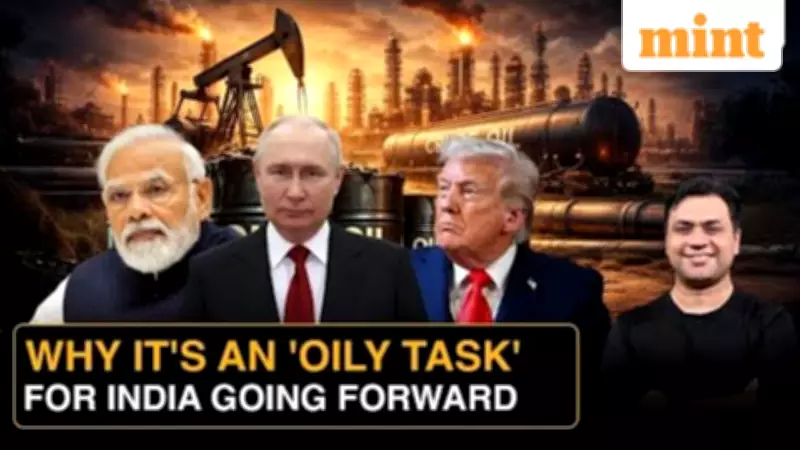
India's Strategic Oil Dilemma: Navigating Russian and Venezuelan Crude Imports
In the ever-evolving global energy landscape, India finds itself at a critical juncture, grappling with the complex question of whether it can effectively replace Russian oil with Venezuelan crude. This issue is not merely a matter of economic calculation but is deeply intertwined with intricate geopolitical dynamics and international sanctions. As one of the world's top buyers of sanctioned or so-called 'illegal oil' delivered via dark fleets, India's position is more nuanced than what appears on paper or in public optics.
The Geopolitical Tightrope: Sanctions and Strategic Alliances
India's reliance on Russian oil has been a significant aspect of its energy strategy, particularly in the context of favorable pricing and longstanding bilateral ties. However, with escalating international sanctions and pressure from Western nations, notably the United States under administrations like that of former President Donald Trump, New Delhi faces mounting challenges. The prospect of shifting to Venezuelan crude introduces another layer of complexity, given the sanctions regime targeting Venezuela's oil sector under leaders like Nicolás Maduro and the influence of global powers such as China, which also vies for energy resources.
This scenario places India in a tough negotiating position, balancing its energy needs with diplomatic relations. Key players like Prime Minister Narendra Modi must navigate relationships with figures such as Russian President Vladimir Putin and Iranian Supreme Leader Ayatollah Khamenei, while also considering domestic economic imperatives. The involvement of major Indian corporations like Reliance Industries and Nayara Energy further complicates the equation, as they manage imports and exports amidst fluctuating global crude oil prices.

Economic Realities and Market Dynamics
From an economic standpoint, replacing Russian oil with Venezuelan crude is fraught with challenges. Russian oil has offered India cost advantages and a stable supply chain, albeit under the shadow of sanctions. Venezuelan crude, while potentially an alternative, comes with its own set of hurdles, including quality differences, logistical issues, and the risk of further sanctions escalation. The global crude oil market is highly volatile, influenced by factors such as OPEC decisions, US policies, and regional conflicts, making long-term planning difficult for Indian policymakers.
Moreover, India's domestic demand for diesel and petrol continues to rise, driven by economic growth and urbanization. This necessitates a reliable and affordable energy supply, which sanctions on both Russian and Venezuelan oil could jeopardize. The country's refining capacity, led by entities like Reliance, must adapt to varying crude qualities, adding technical and financial complexities to the transition.
Strategic Implications and Future Outlook
The debate over oil imports is not just about energy security but also about India's role on the world stage. As a rising global power, India must weigh its economic interests against its strategic alliances and international obligations. The possibility of leveraging Venezuelan crude could offer a diversification of supply sources, reducing over-dependence on any single nation, but it requires careful negotiation to avoid alienating key partners like the USA or disrupting existing trade flows.
In conclusion, while India explores the feasibility of replacing Russian oil with Venezuelan crude, the path forward is laden with political and economic obstacles. Success will depend on adept diplomacy, robust market analysis, and a clear-eyed assessment of both short-term gains and long-term strategic goals. As the situation evolves, stakeholders from government to industry must remain vigilant, adapting to the shifting sands of global energy politics.






