Railway Exports and Private Investment on the Rise
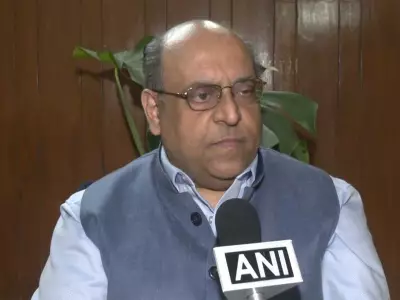
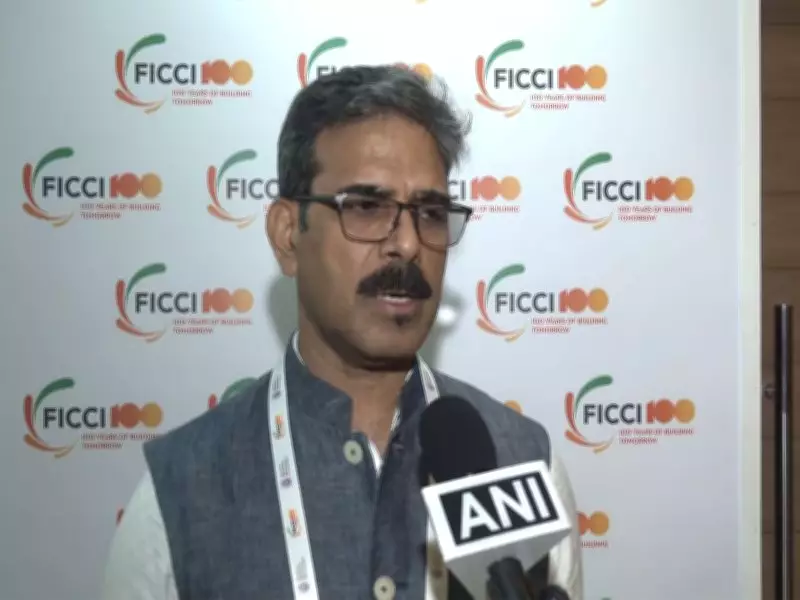
India is experiencing a surge in exports of metro coaches, locomotives, and railway engineering services, fueled by the expanding capabilities of the country's railway manufacturing ecosystem, growing private sector participation, and free trade agreements (FTAs), according to Surendra Ahirwar, Executive Director (Traffic Commercial), Ministry of Railways.
Speaking to ANI on the sidelines of a FICCI seminar on Investment Economics in India: Manufacturing, FDI, and Industrial Transformation, Ahirwar noted that engineering exports are substantially driven by the railway sector. "We have seen export also of the metro coaches and other locomotives and we are having lots of engineering contracts. So we are exporting the engineering services. The engineering exports are constituted majorly by the railway sector. So that's been a good activity there and a lot of private investment, private economic activity related to the railways is happening in Indian markets," he said.
Broader Railway Ecosystem Beyond Ministry
Ahirwar explained that the railway sector extends beyond the Ministry of Railways to include industries that supply infrastructure, technology, raw materials, and other inputs. "There are two components. One is the Indian Railways, which is the Ministry of Railways or the government as such into the railways sector. There is another beyond the Ministry of Railways, which we can call the railway sector," he said. This broader ecosystem includes industries feeding into railways for infrastructure development, technology supply, and raw materials that help create transport services.

Optimism Over FTAs for FY27 Growth
When asked about export growth in FY27, Ahirwar declined to provide a forecast but expressed optimism about opportunities created by FTAs. "We can be optimistic of growth for sure because the FTAs definitely open lots of opportunities. However, it depends on the private sector and the industry to avail those opportunities. The government will not be doing the trade. The government can only create the situation through FTAs and greater collaboration with countries. The actual execution of the FTAs has to happen through proactive action by the industry," he said.
Ahirwar highlighted that recently concluded new-generation FTAs are expected to create fresh opportunities by promoting investment and integrating India more closely with global supply chains. "The government has been doing everything and recently we have been entering into what I call the new-age FTAs. Each FTA is not just a trade agreement. It is also an agreement for investment, an agreement for integration with supply chains. It is an integration of economies, especially the Indian economy with the global supply chain ecosystem. This is going to help not only investment but also economic development," he stated.
Domestic Reforms: Freight Rate Structure Overhaul
Highlighting domestic reforms, Ahirwar said the Railways has fundamentally changed the country's freight rate structure after nearly seven decades, receiving an encouraging response from industry. "We have changed the fundamental structure of freight rates in the country after almost 70 years. It has evoked a very positive response from the industry, and in the areas where we have already reformed the freight structure, we have registered growth of up to 170-180 per cent. I am sure this change will help us attain the desired modal shift to rail and enhance freight loading by the Railways," he said.
Investment Critical for Economic Growth
Ahirwar stressed that investment remains critical for economic growth across manufacturing, services, trade, and exports. He said both public and private investment are essential for sustaining economic development, noting that the government is spending around Rs 11 lakh crore annually on development and investment-promoting initiatives. The growth of the wider railway ecosystem has encouraged private investment and economic activity, enabling Indian companies to serve both domestic and international markets.