Iran Conflict Triggers Widespread Disruption Across Indian Economy
The escalating war in Iran has sent shockwaves through global supply chains, with India facing severe economic and social consequences. As critical maritime and land routes become increasingly unstable, multiple industries are grappling with operational shutdowns, while citizens are resorting to panic buying of essential commodities like LPG cylinders.
Supply Chain Chaos and Industrial Paralysis
The disruption to international trade corridors has forced numerous sectors in India to implement drastic measures to remain functional. Reports indicate that several manufacturing and processing units are either scaling back production or ceasing operations entirely due to shortages of raw materials and increased logistical costs. This industrial paralysis is particularly acute in sectors reliant on timely imports, where delays and uncertainties have made planning nearly impossible.
Companies are having to make major adjustments to their supply chain strategies, including seeking alternative suppliers and rerouting shipments through longer, more expensive pathways. The cumulative effect is a significant strain on India's industrial output, with potential long-term implications for economic growth and employment.

Panic Buying and the LPG Crisis
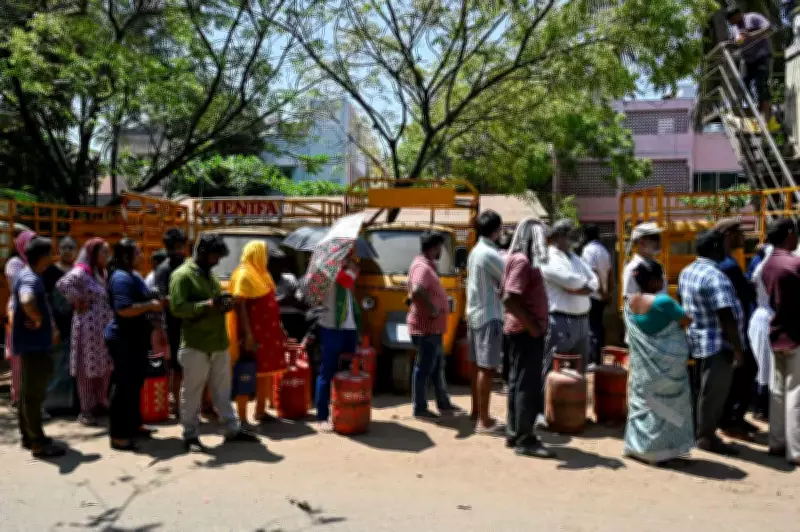
Among the most visible impacts is the surge in panic booking of liquefied petroleum gas cylinders across the country. As one of the world's largest importers of gas for both domestic and industrial use, India's heavy dependence on stable international supplies has left it vulnerable to the current geopolitical turmoil.
The availability of gas has emerged as one of the biggest concerns of the ongoing supply crunch, affecting households, restaurants, and small businesses alike. Long queues at distribution centers and reports of stockpiling have become common, reflecting public anxiety over potential shortages.
Broader Implications for Daily Life and Economy
The ripple effects extend far beyond industrial production and energy supplies. Transportation costs are rising as fuel prices become volatile, while consumer goods that depend on imported components are facing potential price hikes and availability issues.
- Increased uncertainty in global markets is affecting investment decisions
- Export-oriented industries face challenges in fulfilling international orders
- Agricultural sectors dependent on imported fertilizers may see reduced yields
- Tourism and travel between the regions are experiencing significant disruptions
As the conflict continues, Indian authorities and businesses are navigating an increasingly complex landscape of supply chain management, where traditional routes and partnerships require urgent reevaluation. The situation underscores the interconnected nature of global trade and how regional conflicts can have far-reaching consequences for economies thousands of miles away.