US Vice President JD Vance Emerges as Key Obstacle in US-India Trade Negotiations
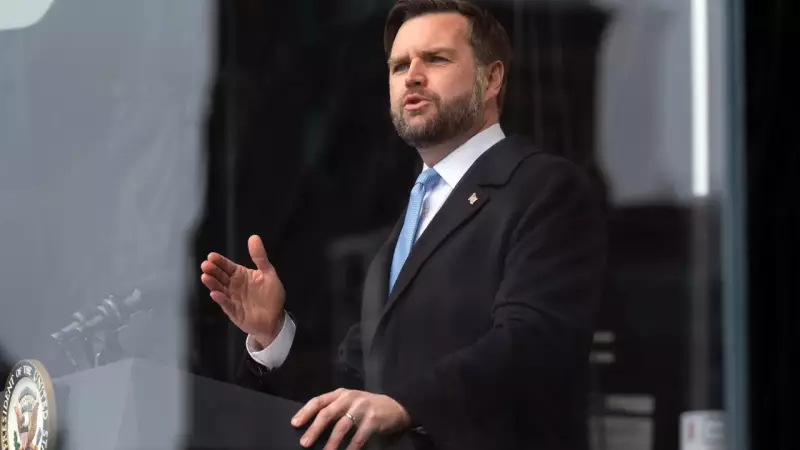
While India stands poised to finalize a monumental trade agreement with the European Union, described by many as the 'mother of all deals', a significant revelation has surfaced regarding the stalled US-India trade consultations. According to confidential information leaked from a closed-door address by Republican Senator Ted Cruz to his donors, Vice President JD Vance has been identified as one of the primary figures obstructing the progress of trade discussions between the United States and India.
Political Dynamics and Internal US Opposition
The leaked details indicate that Vance is not acting alone in this endeavor. White House adviser Peter Navarro and former President Donald Trump are also implicated as major players in the efforts to delay or block the trade deal. This disclosure comes at a critical juncture, as India advances toward strengthening its economic ties with the European Union, potentially leaving the US at a strategic disadvantage.
Senator Ted Cruz, who is reportedly positioning himself for the 2028 presidential election, used the private gathering to highlight his own battles with the White House over the India trade deal. In what appears to be a calculated political move, Cruz may be willing to publicly criticize Vance to gain favor with his donor base, despite both being prominent figures within the Republican Party.

Surprise and Analysis from Indian Observers
The revelation has sent shockwaves through Indian-origin entrepreneurs and political commentators, particularly given Vance's personal connections to India. Vice President Vance is married to Usha Vance, who is of Indian descent, and he visited India shortly after assuming office, which many interpreted as a gesture of goodwill. His alleged role in stalling the trade deal has therefore been met with bewilderment and concern.
Former Indian diplomat Kanwal Sibal provided a nuanced analysis of the situation, suggesting that Vance's actions might be a deliberate strategy. "Vance likely aims to signal that his wife's Indian heritage does not influence his policy decisions," Sibal explained. "On the contrary, he may be adopting a tougher stance to build credibility and demonstrate independence, especially in the context of US domestic politics and trade negotiations."
Broader Economic Context and European Advantage
Amid these developments, Treasury Secretary Scott Bessent voiced strong criticism of the current trade dynamics. He pointed out that the US has imposed 25% tariffs on India for purchasing Russian oil, a move intended to pressure India amid global tensions. However, Bessent highlighted a paradoxical outcome: "The Europeans signed a trade deal with India last week," he stated. "Russian oil enters India, gets refined, and the European Union purchases these refined products. Essentially, they are indirectly financing the conflict they oppose."
This statement underscores the complex interplay of global trade, energy policies, and geopolitical strategies. As India moves closer to cementing its agreement with the EU, the US faces the risk of being sidelined in one of the world's fastest-growing markets. The internal opposition led by Vance and others could have long-term implications for US-India relations and America's economic interests in the region.
As of now, JD Vance has not publicly responded to the allegations regarding his role in stalling the trade deal. The situation continues to evolve, with stakeholders closely monitoring how these political and economic factors will shape the future of international trade agreements involving India.