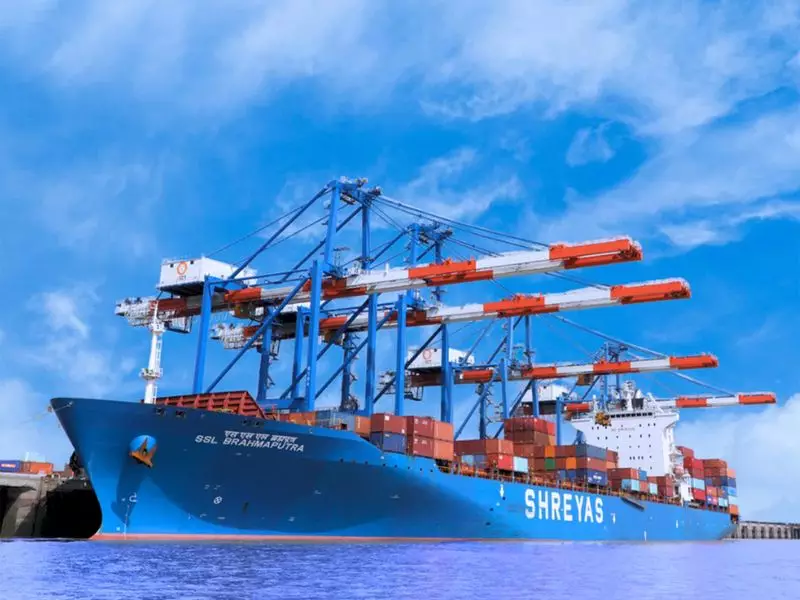
In a significant boost to India's maritime trade infrastructure, the Kandla International Container Terminal (KICT) has reported a remarkable achievement in its annual cargo handling operations. The terminal, a key asset operated by Adani Ports and Special Economic Zone (APSEZ), has successfully managed a cumulative volume of 7.8 million metric tonnes (MTs) of cargo in a single year. This milestone underscores the growing efficiency and capacity of India's port sector.
A Landmark Year for Cargo Operations
The recorded figure of 7.8 million tonnes represents a substantial throughput for the terminal located in Gujarat. This performance is not an isolated spike but part of a consistent growth trajectory for KICT, which has been enhancing its operational capabilities. The terminal's strategic location on the west coast of India makes it a crucial gateway for both import and export trade, serving a vast hinterland. The achievement highlights the successful implementation of advanced logistics and handling processes at the facility.
Drivers of Growth and Operational Excellence
Several factors have contributed to this record-breaking cargo handling volume. The terminal has benefited from increased containerized traffic and efficient management practices. Under the operation of Adani Ports and SEZ, a leader in port infrastructure in India, KICT has likely seen investments in modern equipment and technology to streamline operations. The focus on reducing turnaround time for ships and improving connectivity with rail and road networks has played a pivotal role in attracting higher cargo volumes. This performance is a direct indicator of the terminal's reliability for shippers and exporters.

Implications for Trade and the Indian Economy
This record haul at Kandla has broader implications for India's trade ecosystem. High cargo handling volumes at major ports directly correlate with robust economic activity. It facilitates smoother import of raw materials and export of finished goods, contributing positively to the country's trade balance. The efficiency at ports like Kandla reduces logistics costs for businesses, making Indian products more competitive in the global market. Furthermore, it reinforces the government's focus on developing port-led infrastructure under initiatives like the Sagarmala project.
The success of KICT sets a benchmark for other ports in the country. It demonstrates how operational expertise and private sector investment can significantly enhance port performance. As India continues to push for greater integration into global supply chains, the role of efficient, high-capacity container terminals becomes increasingly critical. The achievement at Kandla is a promising sign of the maritime sector's readiness to support the nation's ambitious economic goals.