Chamba's Prized Medicinal Herb Trade Devastated by US Tariff Policies
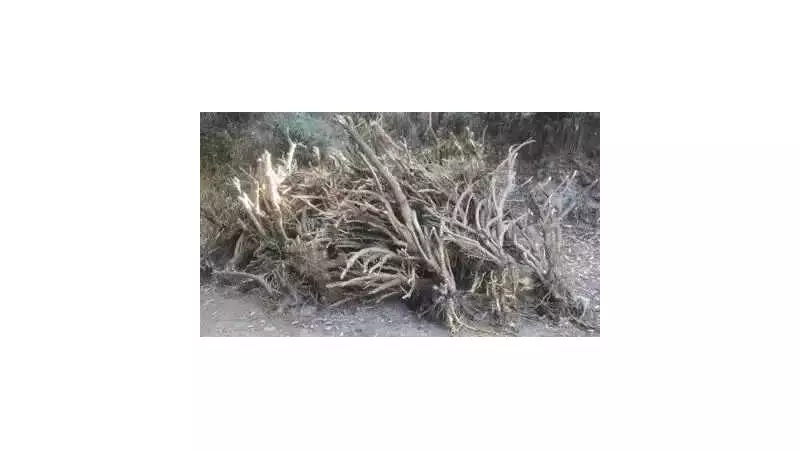
The once-thriving Kashmal medicinal herb industry in Chamba district has been brought to its knees by international trade barriers, with local producers facing unprecedented financial hardship. This valuable botanical resource, scientifically known as Berberis aristata, has seen its export markets collapse following the implementation of Trump-era tariffs, creating a crisis for communities dependent on its extraction.
Medicinal Properties and Traditional Uses
According to Dr Dinesh Kumar, Chamba District Ayurvedic Unani officer, Kashmal roots are highly valued for their potent therapeutic properties. The herb forms a crucial component in numerous Ayurvedic formulations targeting conditions such as hypertension, blood sugar management, and arthritis. Beyond its medicinal applications, Kashmal yields a natural dye that has found significant demand in Japan for traditional painting techniques, adding another dimension to its economic importance.
Export Market Collapse and Price Plunge
Kashmal contractor Hassan Deen revealed that while there was previously strong demand from Ayurveda industries in Punjab, Rajasthan, and Uttarakhand that exported medications internationally, the US tariffs have delivered a knockout blow to the entire supply chain. International demand has nearly evaporated, with exports to the United States, Japan, Iran, China, and other global markets coming to a virtual standstill.

The statistics paint a grim picture of the industry's decline. Last year, approximately 900 truckloads of Kashmal were supplied, with each truck carrying 9-10 tonnes of the valuable roots. This season, which began in December, has seen only 25 truckloads extracted due to the complete absence of demand from pharmaceutical companies.
Economic Unviability and Community Impact
The financial mathematics of Kashmal extraction has turned disastrous for local producers. Hassan Deen explained that the total cost of procurement, including transportation, cutting, moisture loss, loading, and taxes, amounts to nearly ₹38-40 per kilogram. Meanwhile, pharmaceutical companies are currently offering only ₹35–36 per kilogram, making the trade economically unsustainable.
Jaan Mohammad, a resident of Charodi, provided historical context that underscores the severity of the current market collapse. During peak demand periods, Kashmal prices traditionally ranged between ₹500 and ₹700 per kilogram, indicating how far prices have fallen from their previous heights.
Regulatory Framework and Extraction Limits
Chamba DFO Kritgya Kumar clarified the regulatory environment surrounding Kashmal extraction. The collection of Kashmal roots is strictly prohibited on government land, with only 40% extraction permitted on private property. These restrictions, combined with the market collapse, create a perfect storm of challenges for communities that have historically relied on this medicinal herb for their livelihood.
The crisis extends beyond immediate financial concerns, threatening traditional knowledge systems and sustainable harvesting practices that have developed around this valuable medicinal resource for generations.