

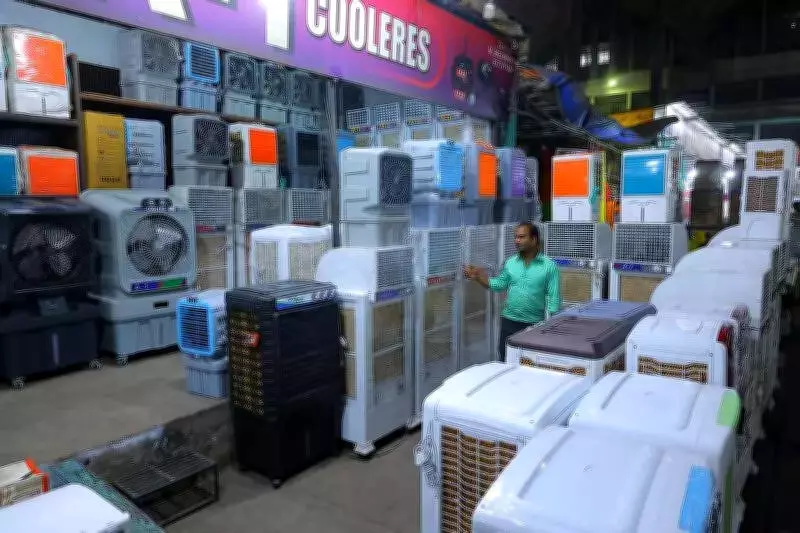
Nagpur's Cooler Industry Suffers Major Setback Due to West Asia Conflict
The escalating conflict in West Asia is now casting a long shadow over India's domestic industries, with the cooler manufacturing sector in Nagpur bearing a significant brunt. Local manufacturers, who have built a robust export market in Gulf countries, are staring at massive financial losses this year as the geopolitical tensions have brought their lucrative trade to a grinding halt.
Exports Worth Crores Come to a Standstill
According to industry insiders, the cooler export season, which typically runs from late January through March to cater to the Gulf's summer months of April to July, has completely collapsed. Rakesh Awachat, director of Ram Coolers Private Limited, a company that began exporting to Sudan in 2016, revealed the stark reality. "Nagpur's coolers could not reach key markets like Iraq, Kuwait, and Sudan. The war has also derailed crucial negotiations with Saudi Arabia for supplying coolers. Exports worth approximately Rs 2 to 2.25 crore have come to a standstill," he stated.
Widespread Impact Beyond Nagpur
The disruption is not confined to Nagpur alone. The city's manufacturers not only serve the local and regional markets across Vidarbha and other Indian states but are part of a larger national export chain. Sources indicate that cooler manufacturers from Uttar Pradesh, who also export in large quantities to Gulf countries, have been severely hit by the conflict, highlighting the widespread economic ripple effects.

Domestic Market Also Under Pressure
Compounding the export woes, domestic sales are facing additional challenges. With the meteorological department predicting rain in the coming days, manufacturers and dealers fear a dampening effect on cooler purchases. "March and April are two critically important months for cooler sales in the domestic market. Unseasonal rains could further impact an already difficult situation," noted industry representatives. This dual pressure from international conflict and domestic weather patterns paints a grim picture for the sector's immediate financial health.
The situation underscores how regional geopolitical instability can have tangible, adverse effects on specialized industries far from the conflict zone, disrupting supply chains and jeopardizing annual revenue streams for businesses that depend on stable international trade relations.






