

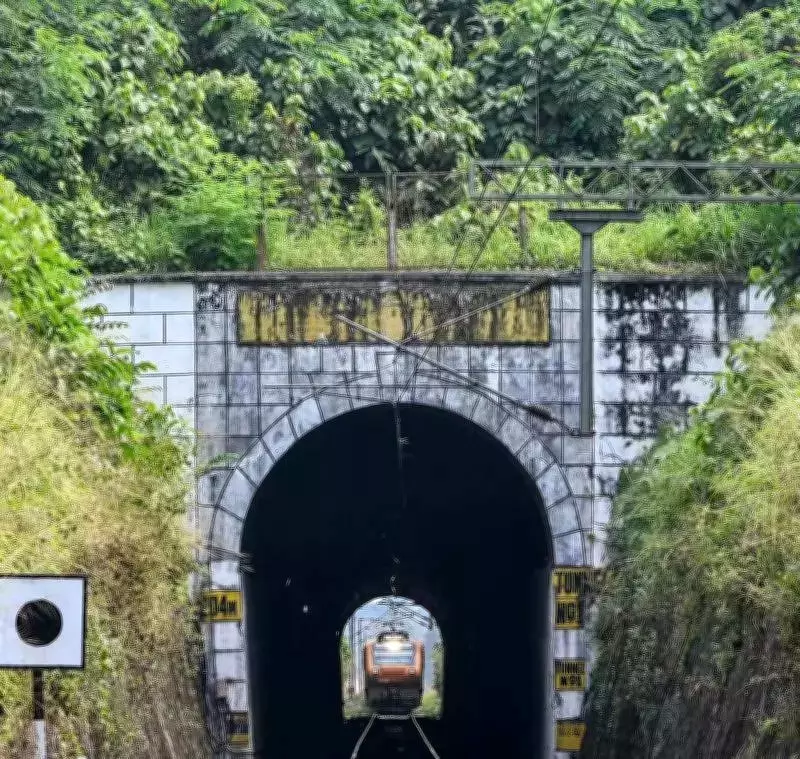
Southern Railway Greenlights Crucial Tunnel Design for Major Rail Expansion
In a significant development for Kerala's railway infrastructure, Southern Railway has officially granted its approval to the detailed design of a new tunnel to be constructed at Balaramapuram. This approval represents a critical milestone in the long-awaited doubling of the Thiruvananthapuram–Kanyakumari railway line, according to authoritative railway sources who confirmed the information to TOI.
Expert Validation from IIT Madras Clears Technical Hurdle
The endorsement followed an extensive and rigorous design scrutiny conducted by technical experts from the prestigious Indian Institute of Technology (IIT) Madras. This comprehensive review process has successfully cleared a major technical obstacle that had been impeding the progress of the ongoing railway expansion work. The validation from such a renowned institution provides a strong technical foundation for the project's next phases.
Technical Specifications and Construction Methodology
The proposed new tunnel, which will be built adjacent to the existing single-track tunnel, is designed to be approximately 200 meters in length and 16 meters in width. Given the geological challenges of the area, where the soil is notably prone to instability and frequent landslides, engineers have devised a specialized construction approach.

The construction will employ the advanced pile and wall method, a sophisticated engineering technique that involves creating reinforced vertical support structures before any major excavation begins. This method is specifically chosen to ensure structural integrity and long-term stability in the challenging terrain.
Operational Benefits and Project Timeline
Once completed, this new tunnel will support the double-line railway section, fundamentally transforming rail operations in the region. It will enable more frequent train movements and significantly faster transit times between the state capital of Thiruvananthapuram and the southern tip at Kanyakumari. Currently, traffic through the old tunnel is severely restricted by stringent speed limits and various operational constraints, as confirmed by railway officials.
The construction is estimated to require an investment of approximately Rs 30 crore, with a projected timeline ranging from eight to twelve months for completion. The existing tunnel is expected to be formally decommissioned once the new structure becomes fully operational and passes all safety certifications.
Addressing Longstanding Bottlenecks and Safety Concerns
"This approval marks a significant step forward in addressing the longstanding bottlenecks on Southern Railway's Thiruvananthapuram–Kanyakumari corridor," explained a senior railway source. The official emphasized that the new tunnel would not only facilitate the crucial doubling of tracks but would also substantially improve safety standards by effectively mitigating landslide risks, particularly during the intense monsoon seasons that characterize the region.
"We anticipate smoother services and significantly reduced delays once this critical work is completed," added the railway spokesperson, highlighting the operational improvements expected from this infrastructure enhancement.
Project Implementation and Broader Context
The construction contract for this vital tunnel has been awarded to a Kochi-based company, and preparatory work has already commenced at the site. Initial activities include clearing soil and debris to prepare the ground for major construction activities. Subsequent phases will involve the arrival of heavy machinery and specialized equipment at the site in the coming weeks.
This tunnel project is part of the broader doubling initiative that includes ongoing earth-strengthening works along other landslide-prone sections of the route. Railway engineers believe these comprehensive measures will collectively enhance the overall resilience and reliability of the entire Thiruvananthapuram–Kanyakumari railway corridor, creating a more robust transportation artery for southern Kerala.






