The Global Pistachio Industry Faces Dramatic Transformation Amid Geopolitical Turmoil
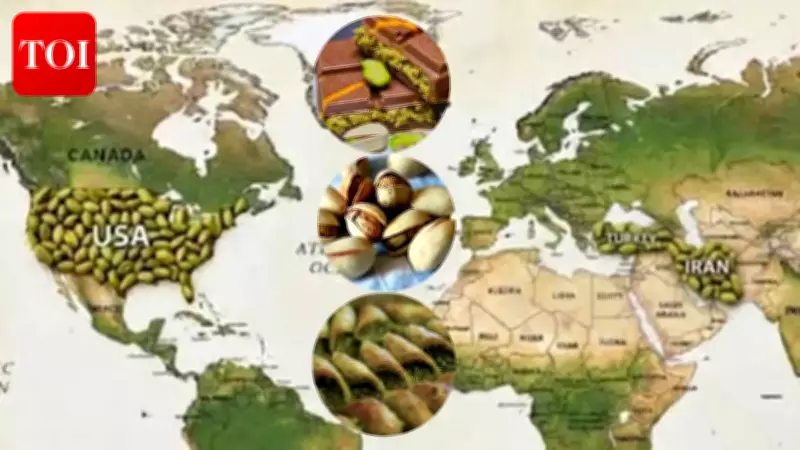
The world of pistachios, often referred to as "green gold," is currently experiencing unprecedented upheaval. This multi-billion dollar industry is defined by a high-stakes competition between three global titans: the United States, Iran, and Turkey. Together, these nations control over 85% of global pistachio production, exerting tremendous influence over the availability of popular Middle Eastern delicacies like Dubai kunafa, chocolate-covered nuts, and traditional Turkish baklava.
The Changing Landscape of Pistachio Production
As of March 2026, the pistachio industry is being radically reshaped not just by agricultural cycles, but by geopolitical tensions and economic sanctions that threaten any hopes of market recovery. For decades, Iran stood as the undisputed ruler of pistachios, supplying the world with prized varieties. However, as the country finds itself embroiled in deepening regional conflicts, its position at the top is being seriously challenged by competitors in California's San Joaquin Valley and Turkey's Gaziantep region.
The global pistachio market is currently valued at $5.49 billion in 2026 and is projected to reach $7.02 billion by 2031, according to Mordor Intelligence. Unlike almonds and walnuts that can be grown in numerous countries, pistachios thrive only in specific arid climates, creating a concentrated global supply chain that makes the industry particularly vulnerable to regional disruptions.

The Three Pistachio Powerhouses
Iran: The Historical Heartland Under PressureIran remains the historical heartland of pistachio cultivation, producing prized varieties like Kerman and Akbari that are renowned for their rich flavor and high oil content. However, production has declined from approximately 225,000 metric tons of dried in-shell nuts in 2024 to just 200,000 metric tons in 2026. The country's pistachio empire now faces an existential threat as military escalations create severe economic challenges.
United States: The Rising Global LeaderCentered in California's agricultural regions, the United States has transformed from a minor player in the 1970s to the world's leading pistachio producer. In the 2025/26 season, U.S. production reached a record 712,000 metric tons, accounting for roughly 65% of global output. American farmers are positioned to benefit significantly from Iran's current difficulties.
Turkey: The Strategic MiddlemanTurkey's pistachio industry focuses on the smaller, greener Antep variety that is essential for world-renowned baklava. The country produced 385,000 metric tons in 2024 according to USDA data, though much of this is geared toward domestic consumption and specialized exports. Turkey occupies a unique strategic position as both a major competitor and a vital trade corridor.
Iran's Triple Crisis: Logistical, Infrastructural, and Financial
Iran's pistachio industry faces three major bottlenecks that threaten its continued participation in global trade:
- Logistical Paralysis: Ongoing regional conflicts have made shipping routes treacherous, while insurance premiums for cargo leaving Iranian ports have tripled, making Iranian pistachios prohibitively expensive for European and Asian buyers.
- Infrastructural Problems: Constant power outages and irrigation disruptions threaten crop yields, with reports indicating higher percentages of blank nuts and smaller sizes in recent harvests.
- Financial Isolation: Sanctions prevent Iranian exporters from accessing the SWIFT banking system, forcing complex transactions through third countries that act as a "shadow tax" on every ton sold.
America Reaps the Benefits of Geopolitical Shifts
The United States stands as the primary beneficiary of Iran's decline. American exports of pistachios are expected to rebound by over 20% in 2026 to a near-record 425,000 tons, according to USDA data from February 2026. Reduced outputs from Iran, Turkey, and Syria are stimulating U.S. shipments to top markets in Asia and Europe.

The shift represents more than just volume—it's about reliability. International buyers in Germany and China, formerly major importers of Iranian pistachios, are increasingly favoring U.S. origins to avoid aflatoxin concerns and logistical risks associated with Iranian supply. American companies like The Wonderful Company have secured long-term contracts, suggesting this market shift may represent more than a temporary fluctuation.
Turkey's Strategic Advantage in the Conflict
Turkey occupies what might be described as the most strategic position in this evolving conflict. As the world's third-largest producer, Turkey benefits from rising global prices triggered by Iranian shortages. With global pistachio prices expected to see double-digit increases in 2026, Turkish exporters stand to gain significantly.
Additionally, Turkey has historically served as a processing hub for Iranian goods. Pistachios from Iran are often shipped to Turkey, processed, and then re-exported as Middle Eastern products to bypass direct sanctions—a practice that may increase as Iranian exports face greater restrictions.
The Long-Term Implications of the Pistachio Wars
The "pistachio wars" demonstrate a harsh reality of global trade: one nation's geopolitical tragedy becomes another's agricultural windfall. While the U.S. and Turkey see their competitive advantages rise, Iran's share of the global market is shrinking to levels not seen in half a century.
Establishing a productive pistachio orchard typically requires five to seven years before the first harvest. As Iranian farms lose both the capital to maintain operations and the security to harvest crops, the transfer of pistachio dominance to the U.S. and Turkey appears less like a temporary market fluctuation and more like a permanent shift in the global agricultural economy.
This transformation highlights how geopolitical tensions can reshape entire industries, with far-reaching consequences for global food supplies, international trade relationships, and economic stability in producing regions. The pistachio market serves as a microcosm of broader trends affecting global commodity trade in an increasingly volatile world.