Rahul Gandhi Attacks Modi Government Over US Tariff Impact on Textile Industry
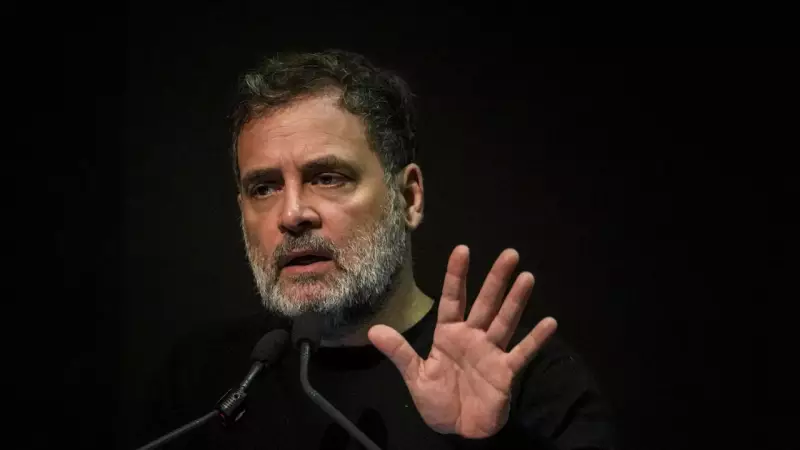
Congress leader Rahul Gandhi launched a sharp critique against Prime Minister Narendra Modi's administration on Friday, arguing that high US tariffs are severely damaging India's job-intensive textile sector. In a strongly worded statement, Gandhi described the Indian economy as "dead" and called for immediate government accountability to secure a favorable trade deal with the United States.
Video Message Highlights Factory Struggles in Haryana
Posting a video on social media platform X from his visit to a textile factory in Haryana, Rahul Gandhi detailed the dire consequences of the current trade policies. "50% US tariffs are badly hurting India's textile exporters," he stated. "Job losses, factory shutdowns, and reduced orders are a reality of our 'Dead Economy'. PM Modi has offered no relief or even spoken about tariffs, even though more than 4.5 crore jobs and lakhs of businesses are at stake."
Gandhi emphasized that the textile industry, a critical employer in India, faces unprecedented challenges due to these tariffs. His message underscored the urgency of the situation, pointing to widespread economic distress that he attributes to governmental inaction.

Demand for Accountability and a Pro-India Trade Deal
Accompanying his post with the hashtag "TINA - there is no accountability", Rahul Gandhi urged PM Modi to demonstrate leadership by prioritizing Indian interests in international trade negotiations. He asserted that India must secure a trade agreement with the US that places Indian businesses and workers at the forefront, safeguarding livelihoods and economic stability.
"PM Modi must not allow his 'own weakness' to impact the economy any further," Gandhi warned, suggesting that the government's perceived lack of assertiveness is exacerbating the crisis. His comments reflect growing concerns over India's trade relations and their domestic repercussions, particularly in sectors vulnerable to global market shifts.
This call to action highlights the political tensions surrounding economic management, with Gandhi positioning himself as a vocal advocate for industrial workers and exporters affected by international trade barriers.