

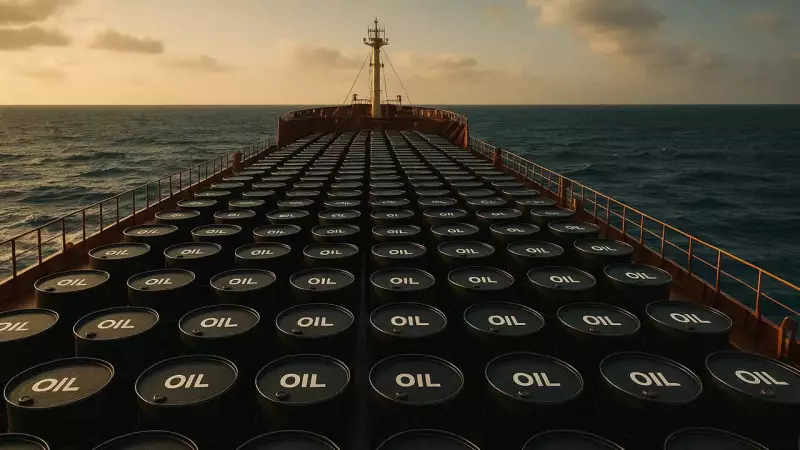
In a significant strategic shift that's sending ripples through global energy markets, Reliance Industries Limited - India's corporate behemoth and historically the nation's largest importer of Russian crude - is dramatically altering its sourcing patterns. The catalyst? Mounting pressure from potential sanctions under a possible Trump administration.
The Great Pivot: From Russian Urals to Alternative Sources
Market intelligence and shipping data reveal that Reliance has been actively securing millions of barrels of crude oil from Middle Eastern producers and United States suppliers throughout recent weeks. This marks a stark departure from their previous heavy reliance on Russian oil, particularly the discounted Urals crude that became a staple during the post-Ukraine invasion period.
The timing is anything but coincidental. With former President Donald Trump leading in polls and his campaign rhetoric suggesting even tougher sanctions on Russian energy exports, Indian refiners are proactively de-risking their supply chains. Reliance, being at the forefront of this movement, appears to be positioning itself ahead of potential regulatory storms.

Why This Strategic Shift Matters
This isn't merely a routine procurement adjustment; it represents a fundamental recalibration of global energy flows. Consider these critical implications:
- Supply Chain Resilience: Reliance is demonstrating that even deeply entrenched trading relationships must evolve when geopolitical winds shift
- Price Dynamics: Moving away from discounted Russian crude could impact refining margins and potentially fuel prices in the long term
- Diplomatic Alignment: The pivot signals India's careful navigation between Western alliances and economic pragmatism
- Market Leadership: As India's largest private refiner, Reliance's moves often presage broader industry trends
The Geopolitical Calculus Behind the Move
Industry analysts note that while Indian companies have legally continued purchasing Russian oil despite existing sanctions, the prospect of a Trump administration brings uncertainty about enforcement intensity and potential secondary sanctions. Reliance, with its substantial international operations and exposure to US financial systems, appears particularly vulnerable to escalated enforcement actions.
"This is classic risk management playing out on a global scale," observes a Mumbai-based energy analyst. "Reliance isn't waiting to see what happens; they're preparing for multiple scenarios, with a Trump victory being one they're taking very seriously."
The Numbers Tell the Story
While exact figures remain closely guarded, trade sources indicate that Reliance's procurement teams have been exceptionally active in Middle Eastern markets, particularly with suppliers from Saudi Arabia, Kuwait, and the UAE. Simultaneously, inquiries and preliminary deals for US crude shipments have surged, suggesting a deliberate diversification strategy.
The company's massive Jamnagar refinery complex - among the world's largest - requires consistent, massive crude volumes to operate efficiently. This infrastructure investment means supply decisions aren't made lightly; they reflect careful strategic planning and risk assessment.
What This Means for India's Energy Future
This development transcends Reliance's corporate strategy, offering insights into broader national energy security considerations:

- Diversification Acceleration: India may accelerate efforts to diversify crude sources beyond Russia
- Refining Flexibility: Complex refineries like Reliance's can process various crude types, providing operational flexibility
- Bilateral Relations: Increased Middle East and US purchases could strengthen those diplomatic and trade relationships
- Consumer Impact: While immediate effects may be minimal, long-term pricing could be influenced by sourcing changes
As the global energy chessboard continues evolving, Reliance's strategic pivot demonstrates how corporate giants must navigate increasingly complex geopolitical landscapes. The message is clear: in today's volatile world, even the most advantageous trading relationships must be balanced against potential regulatory tsunamis.





