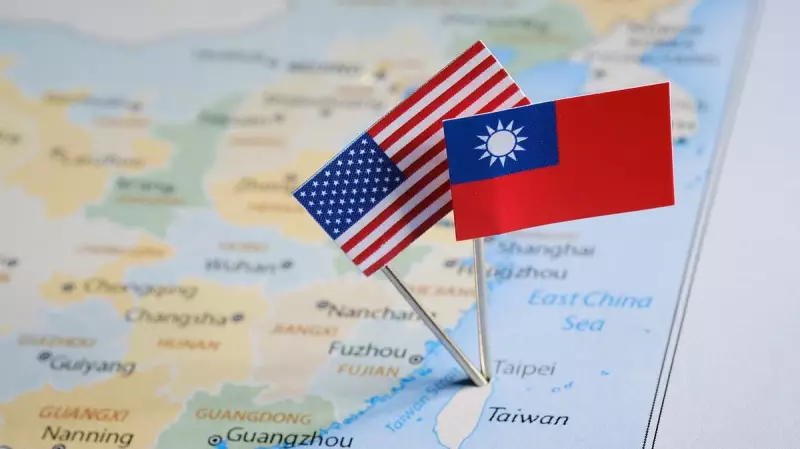
Taiwan's Central Bank Assesses Forex Impact of US Trade Deal as Manageable
In a detailed report presented to lawmakers, Taiwan's central bank has provided a comprehensive analysis of the potential financial implications stemming from trade agreements with the United States. The bank emphasized that while these deals might lead to increased investment flows into the US, the overall impact on foreign exchange markets is expected to remain within what it terms a 'controllable range'. This assessment aims to address concerns about currency volatility and economic stability in the region.
Increased US Investment Could Drive Demand for US Dollars
The central bank's report highlights a key factor: the investment amount directed into the United States is likely to rise as a result of enhanced trade relations. This uptick in capital outflow is projected to increase the demand for US dollars among Taiwanese companies, which may need to convert their local currency to facilitate these cross-border transactions. Such a shift could influence exchange rates and liquidity in the forex market, but the bank assures that mechanisms are in place to monitor and mitigate any adverse effects.
Forex Stability and Economic Implications
By characterizing the impact as controllable, Taiwan's central bank signals confidence in its ability to manage potential fluctuations. The report underscores the importance of maintaining forex stability to support Taiwan's export-oriented economy, which relies heavily on international trade. Lawmakers have been briefed on strategies to cushion any short-term disruptions, including possible interventions or policy adjustments to ensure a smooth adjustment period.

This analysis comes amid ongoing discussions about global trade dynamics and their ripple effects on regional economies. The central bank's proactive stance aims to foster transparency and preparedness, helping stakeholders navigate the evolving financial landscape with greater certainty.