

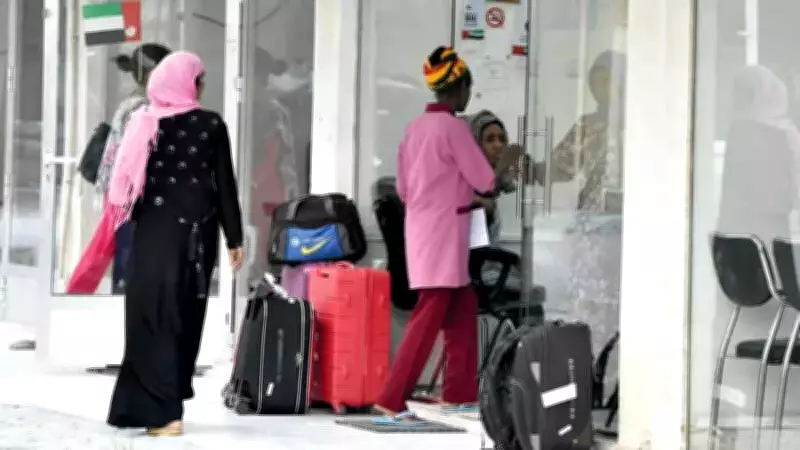
Study Exposes Harsh Reality of Telangana's Gulf Migration Cycle
A comprehensive new study titled 'International Returnee Migrants in Telangana–Survey' has revealed troubling patterns among workers who migrated to Gulf countries seeking economic stability. The research demonstrates that for thousands from Telangana, what began as a hopeful journey often transformed into a persistent cycle of debt, unstable employment, and repeated migration attempts.
Overwhelming Debt Burden Among Migrants
The findings are particularly stark regarding financial pressures. Nearly 72% of returnees had borrowed money to finance their migration, with typical loan amounts ranging between Rs 50,000 and Rs 1 lakh. In certain districts, the debt burden was even more substantial.
"In districts such as Jagtial and Nizamabad, many migrants took significantly larger loans ranging from Rs 1 lakh to Rs 2 lakh," the study notes. This substantial debt heavily influenced their post-return lives, as earnings from abroad were primarily directed toward loan repayment rather than asset building or savings accumulation.

The Vicious Cycle of Migration and Return
The research identifies a recurring pattern that traps many workers:
- Borrowing substantial sums for migration expenses
- Securing employment in Gulf countries
- Using earnings primarily for partial loan repayment
- Returning home with remaining debt
- Planning subsequent migration when local work proves insufficient
This cycle creates what researchers describe as "a temporary halt rather than a permanent settlement" for many returnees, particularly those without specialized skills or significant assets.
Limited Reintegration Success Stories
Successful reintegration occurred primarily in specific circumstances where returnees could access stable local opportunities. The study highlights several areas where former migrants found better outcomes:
- Driving positions with regular employment
- Small business ownership with established customer bases
- Agricultural work with access to land resources
For the majority without these advantages, however, return often meant continued economic vulnerability and planning for another migration attempt.
Employment Patterns and Earnings in Gulf Countries
The study provides detailed insights into the types of employment secured by Telangana migrants in Gulf nations. Work was predominantly concentrated in low and semi-skilled sectors:
- Construction work (approximately 19%)
- Driving positions (approximately 15%)
- Sanitary work (approximately 11%)
- Domestic work (approximately 9%)
Earnings from these positions were generally modest. A significant portion of workers earned below Rs 20,000 per month, while most others fell within the Rs 20,000-50,000 range. Only a small fraction reported monthly incomes exceeding Rs 50,000.
Limited Remittance Capacity and Destination Concentration
With constrained earnings came restricted remittance capabilities. The study reveals that "a substantial number — particularly women — reported sending no remittances in the year preceding their return." This financial limitation affected both migrant families and the broader regional economy.
Migration patterns also showed heavy concentration in specific Gulf destinations. The United Arab Emirates emerged as the most common country of return, especially for migrants from Jagtial and Nizamabad districts. Meanwhile, Saudi Arabia featured more prominently among returnees from Hyderabad, indicating regional variations in migration networks and opportunities.
Broader Implications for Migration Policy
The study's findings raise important questions about migration support systems, financial literacy, and reintegration assistance for returning workers. The persistent debt cycle suggests that without targeted interventions, many Telangana migrants may continue facing economic vulnerability despite international work experience.
Researchers emphasize the need for comprehensive approaches addressing both pre-migration financial planning and post-return economic integration to break this challenging pattern affecting thousands of workers and their families across the state.






