

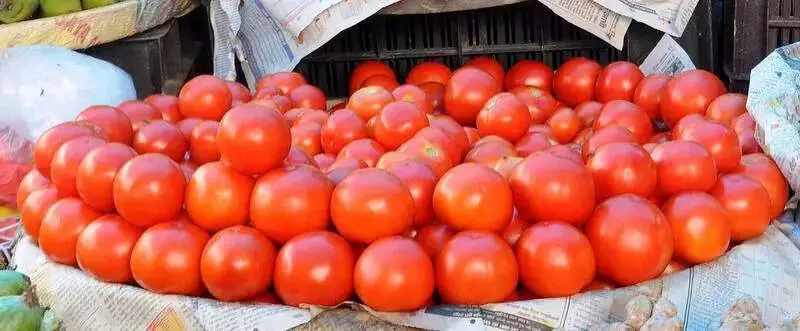
Consumers in Mysuru and Chamarajanagar districts are facing a severe pinch as tomato prices have skyrocketed by nearly 150% over the past 40 days. The kitchen essential, which was available for a modest Rs 20 to Rs 30 per kilogram just last month, is now retailing at a steep Rs 70 to Rs 80 per kilo.
Weather Woes and Supply Shortage Drive Price Spike
Agricultural experts and officials point to a perfect storm of adverse conditions behind the dramatic price surge. Excess rainfall, an unusual dip in temperatures, and increased virus attacks have collectively damaged tomato crops, severely impacting yield. This supply-side shock is the primary driver of the current crisis.
Baradanapura Nagaraj, a vegetable commission agent at the Mysuru Agricultural Produce Market Committee (APMC), provided stark numbers: daily arrivals of tomatoes have plummeted by 50%. "The Mysuru APMC used to receive between 2,500 and 3,000 tonnes every day. This has now drastically fallen to just 1,200-1,500 tonnes," he stated, highlighting the scale of the shortage.

Farmers' Fortunes Reverse, Consumers Bear the Brunt
The price surge has brought a wave of relief to the local farming community, which includes many marginal farmers. This season, they cultivated tomatoes on nearly 13,817 acres of land using irrigation pumpsets, with an anticipated yield of around 40,000 tonnes. The current high prices are a welcome change from just a few months ago, when distressed farmers were forced to dump their produce on roads due to a price crash.
However, the flip side is a heavy burden on household budgets. The demand for tomatoes from this region remains robust, not only from local markets and Bengaluru but also from neighbouring states like Kerala and Tamil Nadu, further straining the limited supply.
Official Confirmation on Climatic Impact
Manjunath Angadi, the Deputy Director of Horticulture, corroborated the analysis in a conversation with TOI. He explained that this year's unseasonal weather patterns have been particularly damaging. "The decline in temperature, apart from the rains and an increase in virus attacks, have impacted tomato yield significantly. Prices have shot up following the surge in demand against this reduced supply," Angadi said.
The situation presents a classic case of market volatility affecting different stakeholders in opposite ways. While growers are finally seeing better returns for their produce, consumers are left grappling with a substantial increase in their daily vegetable expenses, with no immediate relief in sight until new harvests ease the supply pressure.






