The Mango Economy: A Sweet Opportunity
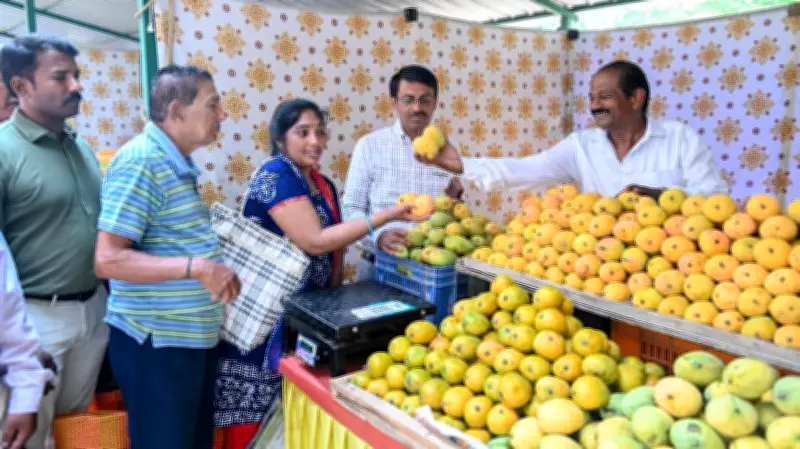
From Alphonso in Maharashtra and Sindhura from Karnataka to Banganapalli and Chinna Rasalu from Andhra Pradesh or Langra from North India, Indian mangoes are not merely fruits. They represent a vast economic potential that remains largely untapped. As the nation celebrates its love for this king of fruits, it is time to unlock the mango economy and harness its full value.
Diverse Varieties, Unique Potential
India is home to over 1,000 mango varieties, each with distinct flavors, textures, and aromas. The Alphonso, known for its richness, commands premium prices in global markets. Sindhura, with its vibrant red blush, is a favorite in Karnataka. Banganapalli, also called Benishan, is prized for its sweetness and lack of fiber. Chinna Rasalu, a small but flavorful variety, is popular in Andhra Pradesh. Langra, a green-skinned mango from North India, has a unique tangy taste. These varieties are not just fruits; they are cultural icons and economic assets.
Economic Impact and Challenges
The mango industry contributes significantly to India's agricultural GDP, supporting millions of farmers, traders, and exporters. However, challenges such as post-harvest losses, lack of cold storage infrastructure, and inconsistent quality standards hinder its full potential. The government has initiated schemes like the Mango Export Promotion Council to boost exports, but more needs to be done. Value-added products like mango pulp, dried mango, and mango-based beverages can further enhance revenue.

Global Demand and Export Opportunities
Indian mangoes are in high demand in markets like the United States, Europe, and the Middle East. The United States recently allowed imports of Indian mangoes after a long ban, opening new avenues. To capitalize, farmers must adopt global standards for pesticide use and packaging. Branding Indian mangoes as premium products can fetch higher prices. For instance, the Alphonso mango from Ratnagiri has a geographical indication (GI) tag, which protects its identity and adds value.
Technological Innovations in Mango Cultivation
Precision agriculture, drip irrigation, and integrated pest management can improve yield and quality. Digital platforms connecting farmers directly to buyers can reduce middlemen and increase profits. Startups are developing apps for mango grading and traceability, ensuring transparency. Research institutes are working on disease-resistant varieties and extending shelf life through controlled atmosphere storage.
Conclusion: A Fruitful Future
Unlocking the mango economy requires a multi-pronged approach: investment in infrastructure, adoption of technology, policy support, and market diversification. By treating mangoes as a high-value commodity rather than just a seasonal fruit, India can sweeten its agricultural exports and empower millions. The journey from orchard to global plate is long, but with collective effort, the mango economy can truly flourish.