

In a significant move for international trade, the United States has announced the removal of reciprocal tariffs on more than 200 food and agricultural products. This decision, primarily aimed at controlling domestic inflation in the US, is set to provide substantial relief to Indian farmers and exporters who have been grappling with high tariff barriers since late August.
Details of the Tariff Exemption
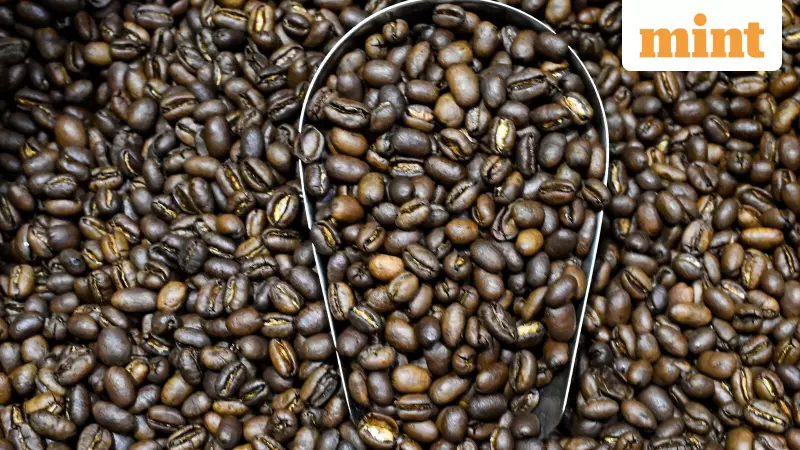
The policy shift was formalized through a White House Executive Order issued on November 12. The exemptions, which took effect the following day on November 13, cover a wide range of agricultural goods. Key Indian exports now freed from the 50% tariff include coffee, tea, tropical fruits, fruit juices, cocoa, spices, bananas, oranges, tomatoes, beef, and certain fertilisers.
This rollback dismantles the reciprocal tariff system that was initially implemented on April 2. While the tariff reduction applies uniformly to all trading partners, it is particularly significant for India, which currently exports these specific goods valued at over $1 billion annually.

Expected Gains for Indian Exporters
Indian trade authorities and industry leaders have welcomed the decision with optimism. Darpan Jain, a Joint Secretary in the Department of Commerce, stated on November 17 that this move establishes a level playing field for Indian exports.
The financial impact is projected to be substantial. Ajay Sahai, Director General of the Federation of Indian Export Organisations (FIEO), indicated that exports worth between $2.5 billion and $3 billion are expected to benefit from these exemptions. He emphasized that the order creates new opportunities for premium, specialty, and value-added products, allowing exporters to better withstand price pressures and meet rising consumer demand.
Agneshwar Sen, Trade Policy Leader at EY India, explained that the removal of tariffs reduces the landed cost of Indian goods, enhancing their price competitiveness against rivals from Latin America and Southeast Asia.
Challenges and Cautious Optimism
Despite the positive outlook, some analysts urge a measured perspective. The think tank Global Trade Research Initiative (GTRI) suggests that India will see only modest gains from the US policy shift.
Ajay Srivastava, Founder of GTRI, pointed out that while India's competitive position in spices and specialist horticulture may strengthen marginally, the broader benefits will likely flow to major farm exporters in Latin America, Africa, and ASEAN. He highlighted a critical gap in India's export portfolio, noting that the country has "almost no presence in several of the largest exempted lines - tomatoes, citrus fruits, melons, bananas, most fresh fruits, and fruit juices." Srivastava stressed that unlocking greater benefits requires India to increase its scale, develop robust cold-chain infrastructure, and diversify its agricultural export basket.
The tariff rollback is also seen as a positive signal for ongoing US-India trade negotiations and could help reverse the recent decline in exports. Official data shows that exports of Indian goods to the US fell by nearly 12% year-on-year in September to $5.43 billion following the implementation of the earlier tariffs. With Indian farm exports estimated to account for $5.7 billion of the country's $87 billion of exports to the US in 2024, this policy change is a crucial development for the sector.






