

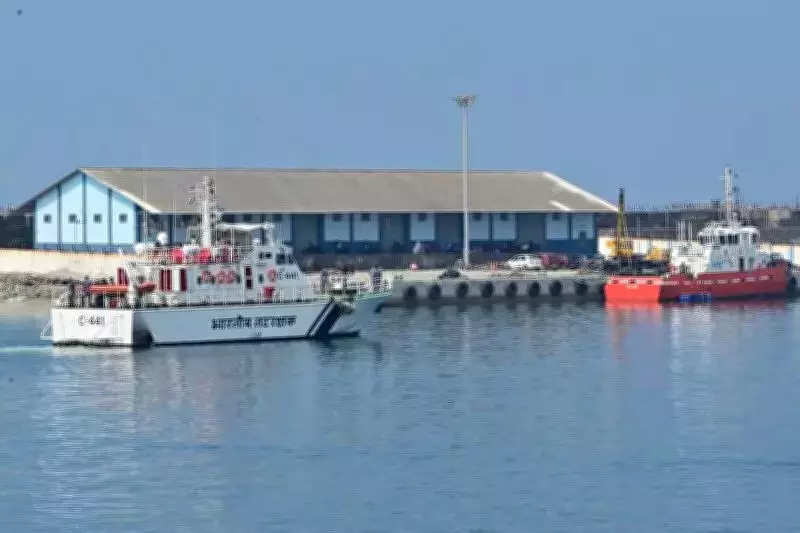
Vizhinjam Port Seaward Wharf Designated as Customs Port, Facilitating Enhanced Maritime Operations
In a significant development for Kerala's maritime infrastructure, the seaward wharf at Vizhinjam port, operated by the Kerala Maritime Board, has been officially notified as a customs port. This strategic move opens up new avenues for the import and export of cargo using mid-sized vessels and smaller passenger cruise ships from foreign countries, allowing them to dock directly at the port.
Operational Benefits and Customs Compliance
The notification covers the 7,360 square meter seaward wharf, which now permits ships with a draft of up to six meters to dock efficiently. According to an official statement, this designation enables the handling of import and export cargo, with provisions for placing cargo in specified areas and processing it directly at the port. The official highlighted that the leeward wharf was already recognized as a customs area, and with the seaward wharf receiving similar status, it will streamline the movement of export and import cargo via medium-sized ships.
For instance, vessels arriving from nearby countries like the Maldives will be able to unload and pick up cargo seamlessly. The cargo can be parked in designated customs areas, where it can be stuffed and destuffed as needed. The customs authorities have also approved specific coordinates for unloading imported goods and loading export goods, ensuring strict adherence to the provisions of the Customs Act.

Industry Perspectives and Economic Impact
Jude Sajith Dcruz of the Vizhinjam Steamer Agents Association emphasized the advantages of this notification. "This will be a great advantage for moving cargo using small and medium-sized ships because the port fees will be significant at Vizhinjam port," he noted. Additionally, the notification is expected to facilitate the handling of coastal cargo from other ports, including smaller ones, thereby enhancing regional connectivity and trade efficiency.
The Kerala Maritime Board is actively working to develop small ports along the state's coast to support cargo and passenger movement. In this context, the Vizhinjam port, alongside Kollam, is poised to become a key hub, offering logistical benefits and reducing operational costs for maritime operators.
Infrastructure Details and Future Prospects
Both the seaward and leeward wharfs at Vizhinjam port are 80 meters long, with the seaward wharf complying with ISPS (International Ship and Port Facility Security) Level 1 standards. The sea depth ranges from 23 to 27 meters at a distance of 3 nautical miles from the coast, making it suitable for various vessel sizes. During the pandemic, the port also hosted international crew-changing operations, showcasing its capability to handle diverse maritime activities.
This notification serves as a major boost to the Kerala Maritime Board's efforts to attract international passenger cruises, particularly those connecting the Middle East with smaller ports in Kerala. By enhancing the port's customs capabilities, the board aims to position Vizhinjam as a strategic node in regional maritime trade, fostering economic growth and improving logistical networks across the state and beyond.






