

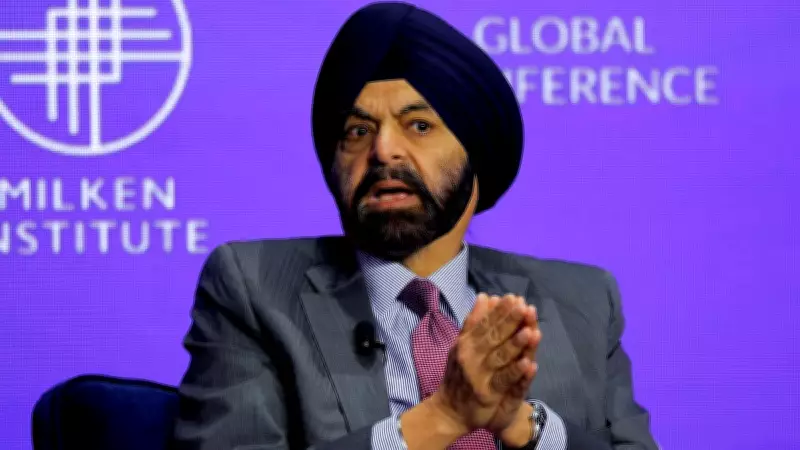
In a significant statement regarding India's economic strategy, World Bank President Ajay Banga has urged the country to shift its focus from tariffs to seizing opportunities that can significantly boost trade. This advice comes as India continues to navigate the complexities of global commerce and aims to enhance its position in the international market.
Emphasizing Trade Opportunities Over Tariff Barriers
Ajay Banga highlighted that while tariffs are often a point of discussion in trade policies, India should think less about them and more on the vast opportunities available to expand its trade footprint. He pointed out that a proactive approach towards trade deals and partnerships can yield greater benefits than relying heavily on tariff measures.
India's Track Record in Trade Agreements
Elaborating on India's opportunities in trade deals, Banga noted that the country has been actively engaging in regional and bilateral agreements. Over the last 20 years, India has signed more than 100 such pacts, demonstrating a strong commitment to fostering international trade relations. This extensive network of agreements underscores India's potential to leverage these connections for economic growth.

Example of Recent Success: India-EU Free Trade Agreement
As a prime example of India's trade strategy in action, Banga cited the recent India-EU free trade agreement. This landmark deal is seen as a testament to India's ability to negotiate and implement beneficial trade pacts that can open new markets and drive economic progress. It serves as a model for how focusing on opportunities rather than tariffs can lead to successful outcomes.
Implications for India's Economic Future
Banga's remarks suggest that by prioritizing trade opportunities, India can enhance its competitiveness on the global stage. This approach could lead to increased exports, job creation, and overall economic development. It aligns with broader goals of integrating into the world economy while addressing domestic needs.
In conclusion, Ajay Banga's advice underscores the importance of a strategic shift in India's trade policy. By thinking less on tariffs and more on opportunities, India can unlock new avenues for growth and strengthen its position in international trade. This perspective is crucial as the country continues to evolve in a dynamic global landscape.






