CBSE Class 10 Exams 2026: Middle East Paper Cancellation Sparks Evaluation Mode Debate
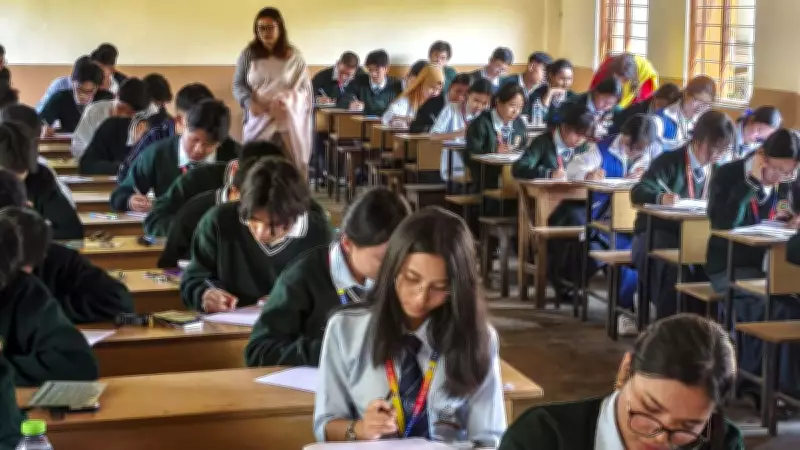
The Central Board of Secondary Education (CBSE) has announced the cancellation of Class 10 board exam papers scheduled in the Middle East for the 2026 academic session, raising significant questions about the evaluation mode for affected students. This decision, driven by logistical and operational challenges in the region, has prompted educators, parents, and policymakers to explore alternative assessment methods to ensure fair and accurate grading.
Background and Reasons for Cancellation
The CBSE, a premier educational board in India, cited unforeseen circumstances, including regional instability and administrative hurdles, as key factors behind the cancellation of Class 10 exams in Middle Eastern countries such as the United Arab Emirates, Saudi Arabia, and Qatar. This move aims to prioritize student safety and maintain the integrity of the examination process, but it has left thousands of students in limbo regarding their academic futures.
Potential Evaluation Modes Under Consideration
In response to the cancellation, the CBSE is actively considering several evaluation modes to assess students' performance without traditional written exams. These options include:

- Internal Assessment: Relying on school-based evaluations, such as periodic tests, projects, and class participation, to determine final grades.
- Online Examinations: Conducting remote proctored exams via digital platforms to ensure continuity and accessibility.
- Previous Academic Performance: Using marks from Class 9 and pre-board exams to calculate scores for the cancelled papers.
- Special Consideration Committees: Forming panels to review individual cases and assign grades based on holistic criteria.
Each mode presents unique advantages and challenges, with internal assessment offering flexibility but raising concerns about standardization, while online exams provide a tech-savvy solution but face issues related to internet connectivity and fairness.
Impact on Students and Educational Institutions
The cancellation has sparked anxiety among students and parents in the Middle East, who fear it may affect college admissions and future academic opportunities. Educational institutions in the region are collaborating with the CBSE to implement contingency plans, emphasizing the need for transparent communication and timely updates to mitigate stress and confusion.
Experts suggest that this situation highlights the growing importance of adaptive assessment systems in global education, especially in regions prone to disruptions. The CBSE's decision could set a precedent for handling similar crises in the future, encouraging innovation in evaluation methodologies.
Looking Ahead: Recommendations and Future Steps
To address the evaluation dilemma, stakeholders recommend:
- Establishing clear guidelines and deadlines for alternative assessment modes to ensure consistency.
- Providing training and resources for teachers to conduct fair internal assessments.
- Enhancing digital infrastructure to support online examination platforms in the Middle East.
- Engaging with parents and students through webinars and helplines to address concerns and build trust.
The CBSE is expected to release a detailed framework for the evaluation process in the coming months, with a focus on equity and academic rigor. As the 2026 exam cycle approaches, this development underscores the need for resilient education systems capable of navigating unforeseen challenges while upholding standards.