Potential Disruptions to CBSE Class 10 Exams from Israel-Iran Conflict
The escalating tensions and military engagements between Israel and Iran have sparked significant concerns within the global education sector, particularly regarding the Central Board of Secondary Education (CBSE) Class 10 board examinations scheduled for 2026. While the conflict is geographically distant, its ripple effects could potentially influence exam logistics, student preparedness, and international participation in ways that require proactive planning.
Exam Schedule and Logistics Under Scrutiny
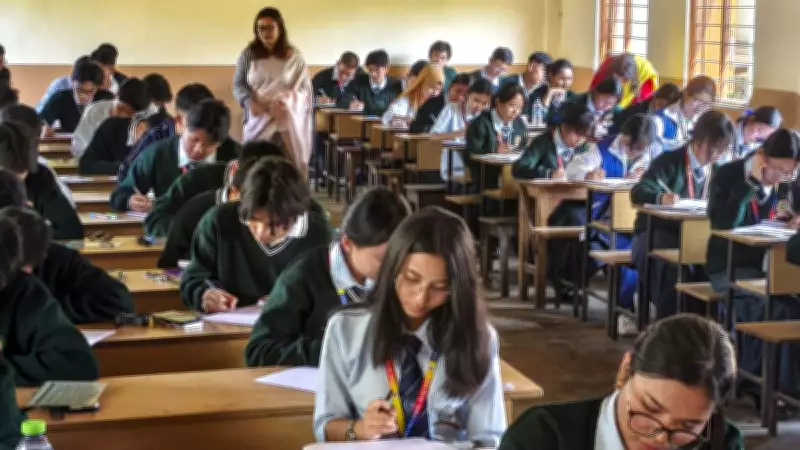
One of the primary areas of concern is the potential impact on the CBSE exam schedule. The board typically releases its annual examination timetable well in advance, but geopolitical instability can introduce unforeseen variables. For instance, if the conflict leads to widespread disruptions in international air travel or shipping, it could delay the distribution of question papers, answer sheets, and other critical materials to examination centers abroad. Domestically, heightened security alerts or national emergencies related to the conflict could necessitate last-minute rescheduling of exams, creating confusion and anxiety among students and educators.
Furthermore, the CBSE relies on a network of examiners and coordinators, some of whom may have international commitments or travel plans that could be affected by the war. This could strain the board's administrative capacity, especially if key personnel are unable to fulfill their roles due to travel restrictions or personal safety concerns.

Student Safety and Psychological Well-being
The psychological impact of the conflict on students cannot be overlooked. News coverage of the war, with its graphic imagery and reports of casualties, can contribute to heightened stress and anxiety among exam candidates. For students with family or cultural ties to the affected regions, this emotional toll can be particularly severe, potentially affecting their concentration and performance during the crucial exam period.
Educational institutions and parents may need to provide additional counseling and support to help students manage their stress levels and maintain focus on their studies. Schools might consider implementing mindfulness sessions or stress-management workshops as part of their pre-exam preparation programs to mitigate these effects.
International Participation and Academic Mobility
The CBSE conducts examinations for a significant number of students in international schools across the Middle East and other regions. The Israel-Iran conflict could directly impact these students in several ways:
- Evacuations or school closures in conflict-affected areas could disrupt academic schedules and exam preparations.
- Travel restrictions might prevent students from relocating to safer locations or returning to India to take their exams.
- Communication breakdowns due to infrastructure damage could hinder the transmission of exam-related information and results.
The CBSE may need to develop contingency plans, such as alternative exam centers or flexible scheduling, to accommodate affected international students. Additionally, universities and colleges in India and abroad that admit students based on CBSE scores might need to adjust their admission timelines or criteria if exam results are delayed.
Proactive Measures and Contingency Planning
To address these potential challenges, the CBSE and affiliated schools are advised to consider the following steps:

- Enhanced communication channels to keep students, parents, and teachers informed about any changes to exam schedules or procedures.
- Digital backup systems for exam materials to ensure accessibility even in the event of physical disruptions.
- Collaboration with government agencies to monitor the geopolitical situation and its implications for education.
- Stress-support initiatives within schools to help students cope with anxiety related to both the conflict and exam pressures.
While the full extent of the Israel-Iran conflict's impact on the CBSE Class 10 exams in 2026 remains uncertain, early awareness and strategic planning can help mitigate potential disruptions. By prioritizing student safety, academic integrity, and logistical resilience, the education system can navigate these challenges effectively.