Surge in Student Stress During Board Exam Season Highlights Mental Health Crisis
The onset of board exams brings immense pressure on students, with Pune-based Child Psychiatrist Dr. Bhooshan Shukla reporting a dramatic increase in clinical appointments. He notes that the share of appointments by board exam students jumps from a typical 10% in other months to a staggering 50% during this critical period. To manage the urgent demand, Dr. Shukla has had to allocate specific clinic hours exclusively for emergency cases. In an exclusive discussion, he outlines actionable strategies for parents, teachers, and students to safeguard mental well-being during this stressful time.
Parental Roles: Partner, Supervisor, or Stepping Back?
Dr. Shukla emphasizes that the role parents should play depends heavily on the relationship they have cultivated with their child up to this point. He identifies three primary scenarios:
- Partnership Approach: If parents have established a collaborative relationship as study partners, they likely already have a structured plan for exam preparation and the final days before tests. This proactive involvement fosters mutual understanding and reduces anxiety.
- Supervisory Role: In cases where parents act as supervisors, this dynamic must be based on a year-long agreement where the child actively listens and adheres to a supervised plan. Consistency here is key to maintaining trust and effectiveness.
- Stepping Back: For approximately 80% of families, Dr. Shukla observes a pattern of intermittent parental involvement, often leading to conflicts or children ignoring advice. If this has persisted for a year or more, he advises parents to step back and allow the child autonomy during exams, as previous methods have not yielded desired results.
Challenges with Educational Institutions and Teachers
When addressing the role of teachers, schools, and tuition instructors, Dr. Shukla expresses concern over systemic inertia. He notes that many educational entities resist advice from mental health professionals, relying instead on traditional methods that have produced successful outcomes in the past. However, this approach often fails to address underlying stress until crises emerge, such as threats of self-harm or tragic incidents.

Dr. Shukla criticizes the use of threatening messages and pressure tactics, which undermine resilience-building over time. Instead, he advocates for a simple, supportive stance in the final month: encouraging children with positive affirmations like "Yes, you can do it" and "Go ahead, you will be fine." This shift can create a more nurturing environment conducive to mental health.
Student-Centric Strategies for Mental Well-being
Offering contrarian yet evidence-based advice, Dr. Shukla, drawing from his dual perspective as a mental health doctor and a former top exam performer, recommends five essential practices for students:
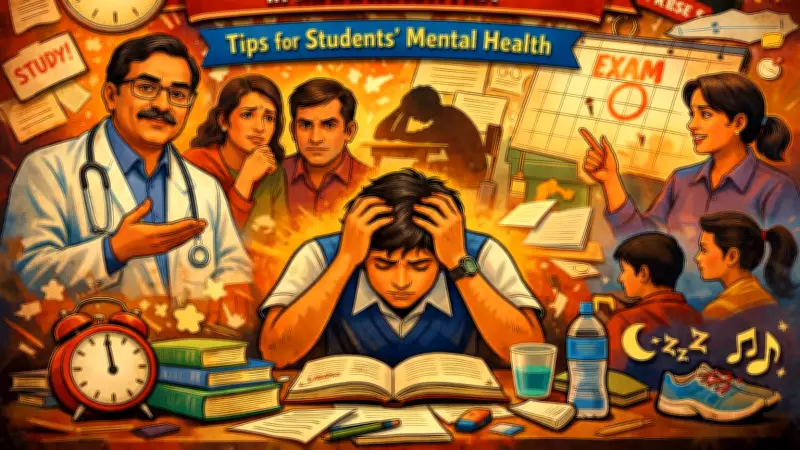
- Adequate Sleep: Prioritize 7 to 8 hours of sleep daily, as rest is crucial for cognitive function and stress reduction.
- Daily Exercise: Engage in 45 minutes to one hour of physical activity or play each day, even on the eve of exams, to sweat out stress and boost mood.
- Creative Outlets: Dedicate time to performing arts like music or dance, which activate different brain circuits than studying, providing mental relief.
- Balanced Nutrition: Opt for smaller, frequent meals while avoiding sugars and chocolates to maintain sharpness and energy levels.
- Hydration Focus: Ensure regular water intake, as dehydration can impair concentration and overall health.
Dr. Shukla underscores that these foundational habits, though simple, are powerful tools for managing exam-related stress and promoting long-term mental resilience.