According to recent data from LinkedIn, a mere 26% of Indian recruiters report being able to successfully identify the right talent for open positions. This stark statistic highlights a significant hiring paradox in the country, where recruitment activity has surged post-pandemic, yet matching skills to roles remains a formidable challenge.
The Hiring Struggle: Volume vs. Quality Mismatch
LinkedIn's findings indicate that recruitment activity in India is currently running approximately 40% higher than pre-pandemic levels. However, this increase in hiring efforts has not translated into improved candidate quality. In fact, confidence in the caliber of applicants has declined sharply, with 74% of recruiters admitting they struggle to find qualified candidates.
AI's Role in Complicating the Hiring Process
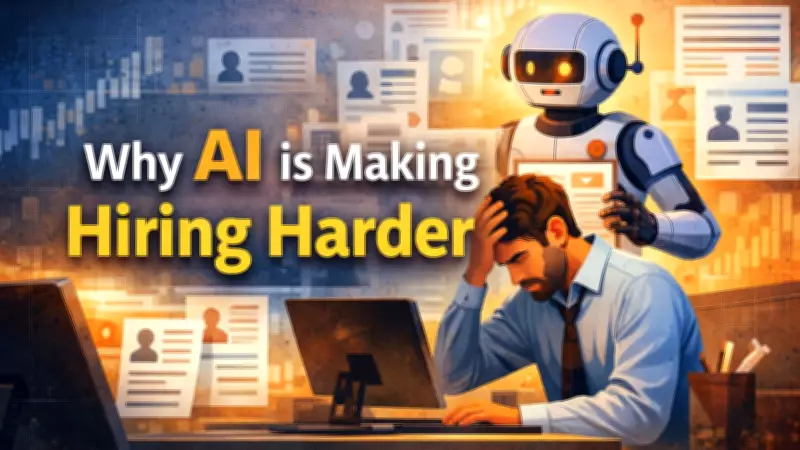
More than half of the recruiters who find hiring more difficult attribute this challenge to a surge in AI-generated applications. The proliferation of artificial intelligence tools has made it easier for job seekers to mass-apply for positions, instantly tailor resumes, and potentially embellish their experience. This has created a crowded and competitive hiring landscape where distinguishing genuine, high-quality candidates from misleading applications has become a major source of friction for nearly half of all recruiters.

The platform data further illustrates this pressure: the number of applicants per open role in India has more than doubled since 2022. This intensifies competition on both sides of the market, with recruiters spending more time filtering noise rather than assessing true capability, and job seekers feeling increasingly unprepared for the hiring process despite actively seeking opportunities.
AI as Both Problem and Solution
Ironically, while AI has contributed to the hiring challenges, it is also being positioned as a potential solution. According to LinkedIn, recruiters who have already implemented AI tools report tangible benefits. A majority say AI has helped them uncover candidates with relevant skills they might have otherwise missed, while many believe it has made assessing candidate capabilities faster and more accurate.
The Shift Toward Skills-Based Hiring
Ruchee Anand, APAC Vice President at LinkedIn Talent Solutions, notes that hiring is increasingly moving away from traditional metrics like pedigree and past job titles toward demonstrated skills and capabilities. She emphasizes that executing this transition at scale would be nearly impossible without the assistance of artificial intelligence.
Looking ahead, adoption of AI in recruitment is expected to accelerate significantly. Approximately eight in ten Indian recruiters plan to expand their use of AI for various hiring functions, from sourcing talent to evaluating applications. Many also anticipate increasing AI-driven pre-screening interviews in 2026, believing this approach will lead to more meaningful recruiter-candidate interactions, quicker hiring timelines, and better insight into genuine skills rather than surface-level credentials.
The current hiring landscape in India presents a complex picture where technology both complicates and offers solutions to recruitment challenges. As artificial intelligence continues to reshape how candidates apply and how recruiters evaluate them, the industry faces the dual task of managing AI-generated application volume while leveraging AI tools to identify true talent more efficiently.