Indian Engineers Urged to Boost Soft Skills for AI-Driven Future
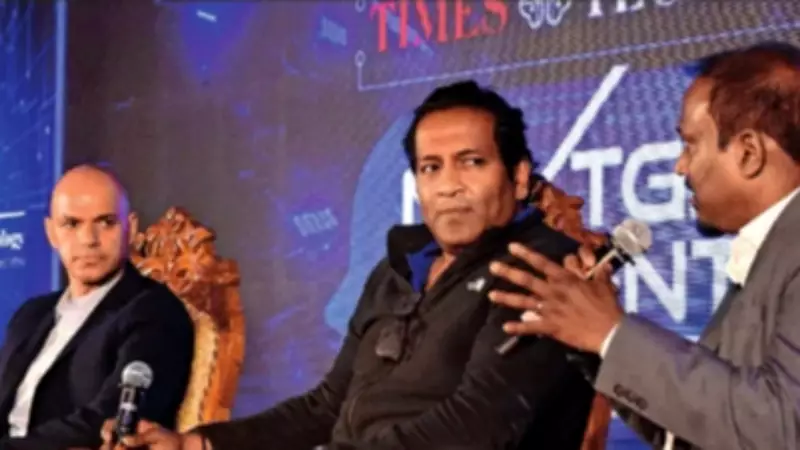
In a recent panel discussion, Surendra Bashani, head of Best Buy India, pointed out a significant gap in the Indian workforce after returning from two decades abroad. He observed that candidates in India heavily invest in technical upskilling but often neglect what he termed enterprise skills.
"Indian engineers are great technologists, but one of the gaps I see here is a bit of a lack of soft skills," Bashani stated. He emphasized that this deficiency extends beyond mere communication to include critical abilities such as an enterprise mindset, change management, coaching and mentoring, influencing others, and operating effectively in global, matrixed organizations.
Shift Away from Traditional Credentials
Rakesh Rajendran, founder and CEO of AI startup NudgeBee, supported this view by highlighting a broader trend away from conventional academic credentials. He argued that in today's job market, degrees and grades hold less weight compared to evidence of independent thinking and real-world accomplishments.

"Your grades and your curriculum do not matter because knowledge has been democratised significantly," Rajendran explained. Instead, he looks for candidates who can think from first principles and demonstrate tangible contributions outside formal education, such as involvement in open-source projects, research papers, or published work.
Expectation Management in Campus Hiring
Kamal Stephen, APJC Talent Discovery Student Lead at SAP Labs India, who focuses on campus recruitment, identified another key issue: mismatched expectations. He noted that many students aspire to work on cutting-edge AI projects immediately upon joining, but numerous companies still rely on legacy technology stacks with limited AI integration in the short term.
"Students come with an aspiration that they want to change the world, but it doesn't happen immediately," Stephen said. He advised early-career professionals to prioritize problem-solving, collaboration, and critical thinking over fixation on specific technologies or trends.
Calls for Educational Reform
Bashani also called for reforms in higher education to better prepare students for the workforce. He advocated moving beyond rote learning by implementing more work-like assessment models and fostering deeper industry integration.
His recommendations include:
- Experimenting with open-book, open-internet exams where students must defend their solutions.
- Expanding co-operative programs that place students in industry settings for extended periods to work on real projects.
Without such practical exposure, Bashani warned, organizations often spend one to two years upskilling new hires before they can make meaningful contributions.
This discussion underscores the evolving demands of the job market, where soft skills and practical experience are becoming as vital as technical expertise, especially in an AI-dominated landscape.