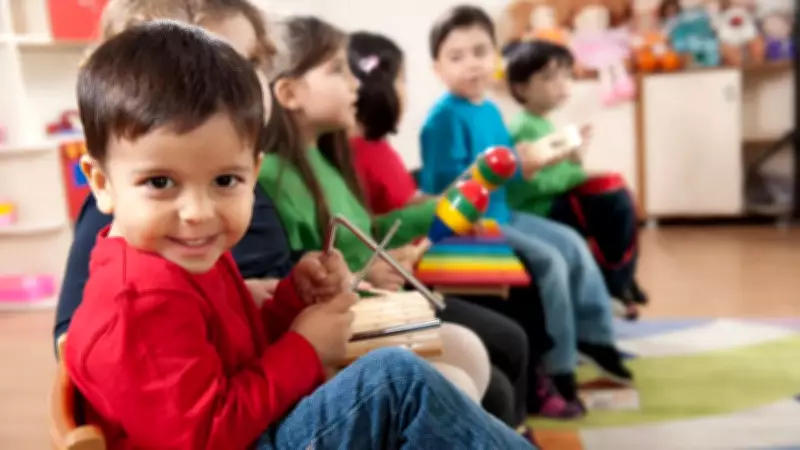
Starting preschool is a major milestone for both children and parents. While some children are eager to explore a new environment, others may need more time before they feel ready. Since every child develops at their own pace, there is no one-size-fits-all age for starting preschool. Rather than focusing solely on age, it is important to observe signs that indicate emotional, social, and physical readiness. Here are eight key signs to help you determine if your little one is prepared for this exciting new chapter.
1. They can spend time away from parents
One of the biggest challenges for preschoolers is being separated from their parents for a few hours. If your child can happily stay with grandparents, relatives, babysitters, or at playgroups without excessive distress, this is a positive sign. While some nervousness is normal, children who handle brief separations well tend to adapt more smoothly to preschool.
2. They show interest in other children
Preschool involves playing, doing activities, and working together with peers. If your child enjoys being around other kids, occasionally shares toys, or tries to join group activities, they are likely ready. They do not need to be highly social, but an interest in making friends can ease their transition into the preschool setting.

3. They can follow simple instructions
Teachers often give children simple directions to guide routines and activities. If your child understands instructions like 'Put your toys away,' 'Wash your hands,' or 'Come sit down,' they may be prepared for a structured classroom environment. Following directions helps children engage in activities and build confidence in their new surroundings.
4. They have basic communication skills
Your child does not need to be perfectly fluent when starting preschool. However, they should be able to express basic needs such as asking for water, requesting help, or indicating discomfort. Strong communication skills reduce stress and help children bond with teachers and classmates.
5. They are becoming more independent
Preschool encourages children to perform small tasks on their own. Signs of independence include eating without much assistance, putting away toys, washing hands, or attempting to dress themselves. Greater independence makes it easier for children to adjust to daily preschool routines.
6. They can handle a routine
Preschools typically follow a daily schedule with playtime, learning activities, snacks, and rest periods. If your child is already comfortable with regular routines at home, they are more likely to adapt to the preschool setting. Children who know what to expect during the day often feel more secure and confident.
7. They show curiosity and a desire to learn
Young children are naturally curious, but some show a strong interest in exploring new things. They may ask many questions, enjoy storybooks, love drawing, or get excited about learning new skills. This eagerness to discover is a wonderful sign that they will enjoy the preschool experience.
8. They can manage basic emotions
Preschool is a new experience that can be both exciting and overwhelming. Children who are beginning to put feelings into words, recover from minor disappointments, or cope with changes in routine may be better prepared for preschool challenges. Emotional readiness is just as important as academic readiness at this stage.
Every child is different
It is important to remember that readiness looks different for every child. Some may show all these signs early, while others need more time. Avoid comparing your child with peers. Instead, focus on their individual development and comfort level. Trust your instincts and consult with early childhood educators if you have concerns.