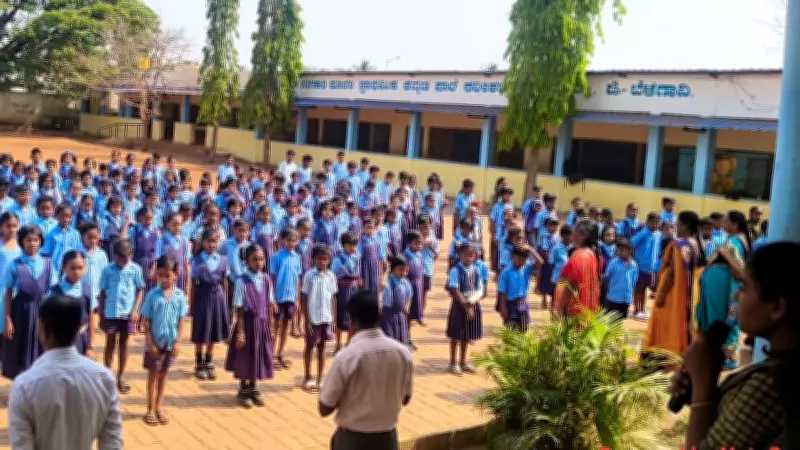
In a unique tradition in Karnataka's Kolar district, a village has turned memories into scholarships for its students. The village of Chikkaballapur, located about 60 km from Bengaluru, has been running a memory auction for decades, where villagers donate cherished items tied to personal memories, and the proceeds fund education for underprivileged children.
How the Tradition Works
Every year, during the village fair, residents bring objects that hold sentimental value—old photographs, heirlooms, handmade crafts, or even letters. These items are auctioned to the highest bidder, with the money pooled into a scholarship fund. The practice, known locally as "Nenapina Kanike" (Memory Donation), has been a cornerstone of community philanthropy for over 30 years.
According to village elder Ramesh Gowda, "The idea is simple: what is a memory for one person becomes a stepping stone for another's future." The auction typically raises between Rs 1.5 lakh and Rs 2 lakh annually, with the total collected so far exceeding Rs 20 lakh.

Impact on Education
The scholarship fund has supported more than 150 students from the village and surrounding areas, helping them pursue higher education in fields like engineering, medicine, and arts. Recipients are selected based on academic merit and financial need, with awards covering tuition fees, books, and living expenses.
One beneficiary, Priya S., now a medical student, shared: "This scholarship changed my life. My family could not afford college, but the village's faith in me through this tradition made it possible." The program also encourages recipients to give back by donating their own memories once they are established.
Community Participation
The auction is a major event, drawing participation from all age groups. Items often carry emotional weight—such as a grandmother's wedding sari or a child's first drawing. Bidding is spirited, with some items fetching several thousand rupees. The highest single bid so far was Rs 50,000 for a vintage clock that had belonged to a local freedom fighter.
Organizers ensure transparency, with a committee of five elders overseeing the auction and fund distribution. The village panchayat provides administrative support, and the funds are deposited in a dedicated bank account.
Broader Significance
This tradition highlights how grassroots initiatives can address educational inequality in rural India. With government scholarships often insufficient, community-driven models like this fill critical gaps. The practice has inspired neighboring villages to adopt similar programs, creating a ripple effect.
As Gowda notes, "Our memories are priceless, but sharing them can build a better future for our children. This tradition is our way of ensuring no child is left behind." The success of Chikkaballapur's memory auction demonstrates the power of collective action in transforming lives through education.