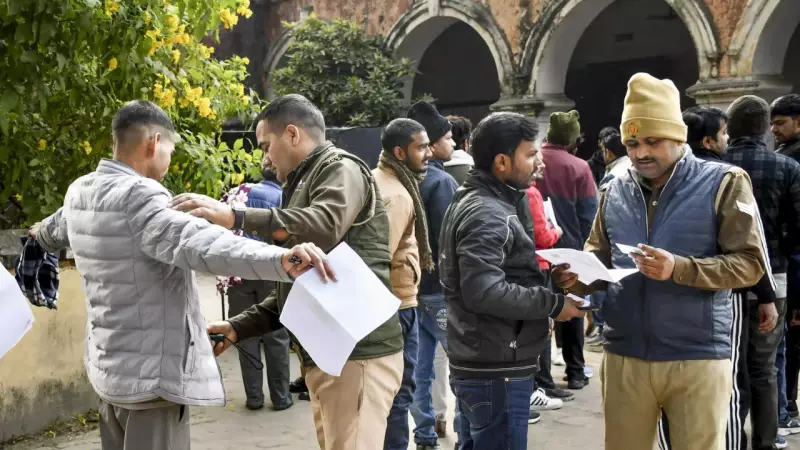
In a significant move to fortify the integrity of major national examinations, the National Testing Agency (NTA) is set to introduce facial recognition technology for identity verification at test centres. This new system, slated for implementation from 2026, will cover high-stakes entrance tests like NEET-UG and JEE-Main.
Pilot Project Paves the Way for Nationwide Rollout
The decision follows a successful proof-of-concept trial conducted during the NEET 2025 examination. In this pilot, Aadhaar-based face authentication technology was deployed at select centres in Delhi. The trial was executed in collaboration with the Unique Identification Authority of India (UIDAI), leveraging the digital infrastructure of the National Informatics Centre (NIC) and integrating with the NTA's existing exam protocols.
A senior official confirmed that based on the positive outcomes of this pilot, the system will be expanded to cover all major entrance exams starting the following year. This technological intervention aims to directly tackle the issue of impersonation, a persistent challenge in mass-scale examinations.

Dual-Layer Verification: Application to Exam Hall
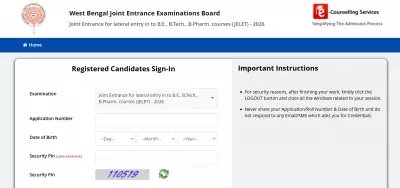
The security overhaul is not limited to the examination hall. The NTA is introducing a mandatory live photograph capture feature at the application stage itself. Candidates will now have to provide two photographs: a recent scanned image and a live picture taken via a webcam or mobile device while filling out the form.
"This dual verification will ensure that the person applying is the same as the one who appears in the exam. Older photographs will no longer be accepted," a senior official stated. This step creates a verifiable digital trail from registration to test day, making fraudulent applications significantly harder.
A Response to Scrutiny and Committee Recommendations
The push for enhanced digital surveillance comes at a time when the integrity of national exams is under intense scrutiny following alleged paper leak incidents in recent years. These new measures were recommended by the Radhakrishnan committee, which was constituted by the central government to comprehensively review the conduct of national-level entrance examinations.
The integration of Aadhaar-based facial recognition represents a major shift towards biometric verification, moving beyond traditional ID card checks. While it promises to tighten security, it also places a premium on robust digital infrastructure and data privacy protocols at all examination centres across the country.