The recurring menace of paper leaks has cast a long shadow over India's examination system, eroding trust and causing immense stress among students. Recent incidents, from the NEET-UG to various state board exams, highlight a systemic vulnerability that demands urgent and comprehensive action.
The Scale of the Problem
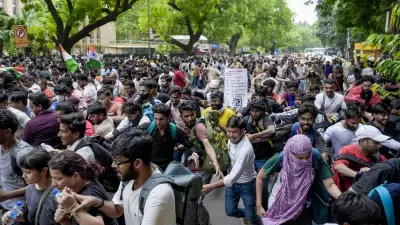
Paper leaks are not isolated events but a widespread phenomenon affecting multiple states and competitive exams. The leak of the NEET-UG question paper in 2024, for instance, led to widespread protests and a Supreme Court intervention. Similarly, the UGC-NET exam was cancelled just hours before it was scheduled to take place due to a suspected leak. These incidents reveal a deep-seated flaw in the system that goes beyond mere security lapses.
Root Causes
Several factors contribute to the persistence of paper leaks. First, the high stakes attached to these exams create a lucrative black market for question papers. Second, the involvement of multiple intermediaries in the printing and distribution process increases the risk of leaks. Third, the lack of robust technological infrastructure and real-time monitoring allows malpractices to go undetected. Finally, a culture of corruption and a general disregard for the law exacerbate the problem.

Proposed Solutions
Addressing paper leaks requires a multi-pronged strategy that combines technology, legal reforms, and cultural change.
Technological Interventions
- Digital Delivery: Transitioning to computer-based testing (CBT) can significantly reduce the risk of physical paper leaks. The National Testing Agency (NTA) has already adopted CBT for many exams, but scaling up is essential.
- Encryption and Blockchain: Using advanced encryption and blockchain technology can ensure the integrity of question papers from creation to delivery. Each step can be recorded on an immutable ledger, making tampering detectable.
- Biometric Verification: Implementing biometric authentication for candidates and invigilators can prevent impersonation and ensure that only authorized individuals access exam materials.
Legal and Administrative Reforms
- Strict Punishment: Enacting stringent laws with severe penalties for those involved in leaks can deter potential offenders. The Public Examinations (Prevention of Unfair Means) Bill, 2024, is a step in the right direction, but its implementation needs to be swift and uncompromising.
- Centralized Coordination: Establishing a central authority to oversee the conduct of major exams can streamline processes and ensure uniform security standards. This body should have the power to investigate and prosecute malpractices.
- Whistleblower Protection: Encouraging insiders to report leaks without fear of reprisal can help in early detection. A robust whistleblower protection mechanism is crucial.
Cultural Change
- Reducing Exam Stress: The obsession with high-stakes exams needs to be tempered. Diversifying assessment methods and reducing the weightage of single exams can lower the incentive for cheating.
- Promoting Ethics: Educational institutions must inculcate a sense of ethics and integrity among students. Awareness campaigns about the consequences of malpractices can help build a culture of honesty.
Conclusion
The fight against paper leaks is not just about securing exam papers; it is about restoring faith in the education system. While technology and legal reforms are critical, they must be complemented by a cultural shift that values fairness and hard work over shortcuts. Only then can India ensure that its examination system remains a true measure of merit and not a lottery of leaks.